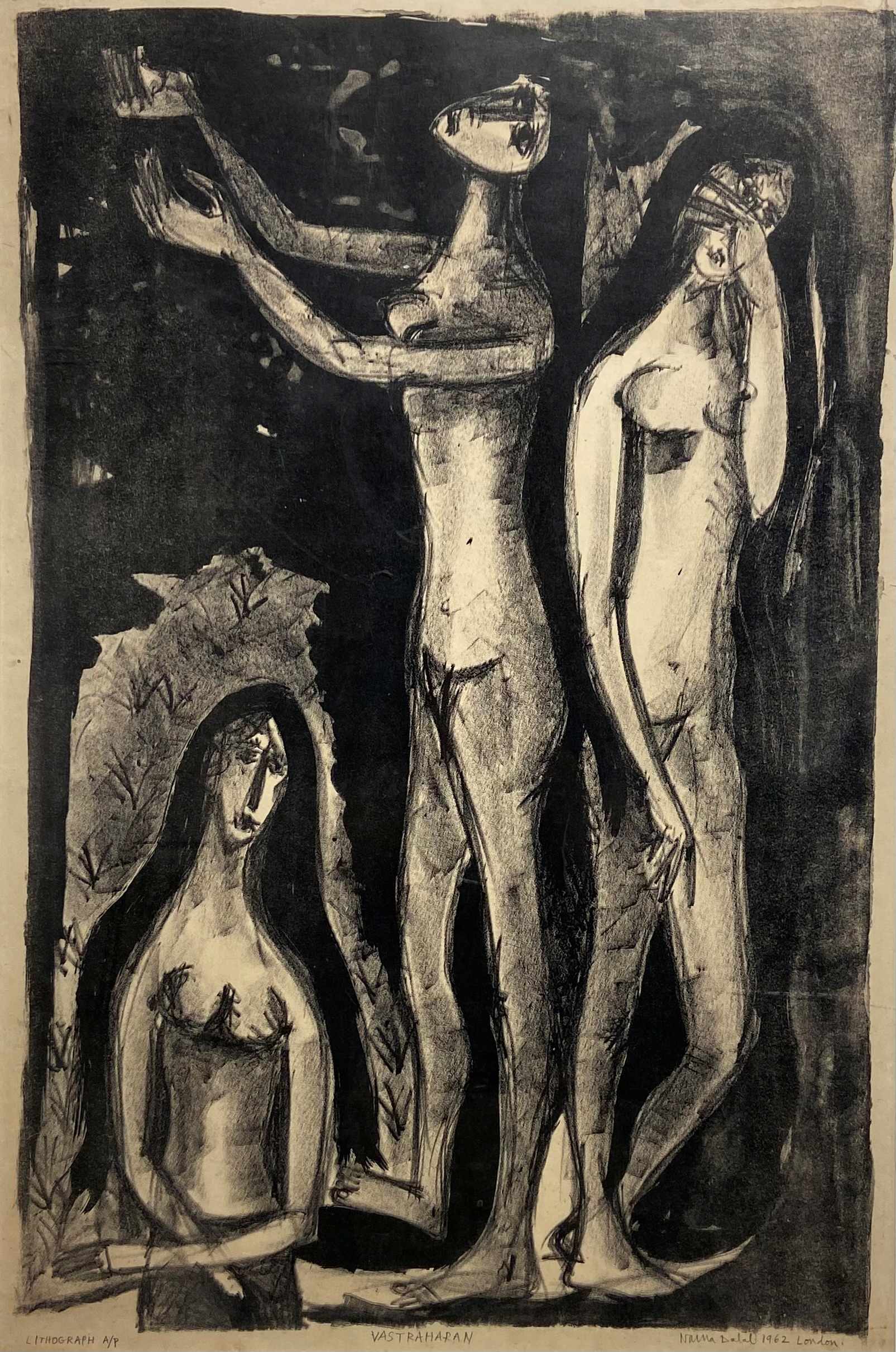
@galleriesplash, Lithograph by Naina Dalal, 1962 London
How Indian Printmaking Shaped Modern Visual Language
Printmaking doesn't get the credit it deserves, and it's a very sad part, especially when from India.
Ask most people about Indian art history, and they'll talk about painting. Sculpture. Maybe textiles. But Printmaking rarely comes up in their discussions. But don't you feel it should?
Because a huge chunk of how Indian visual language looks today for their bold lines, repeated motifs, flat colour blocks- all of them trace straight back to the print. And yet today, mentions of print art are becoming fewer and fewer.
Print Making started as a Practical Tool
Printmaking in India wasn't born as fine art. It was purely born out of necessity. Woodblock printing was used for textiles long before it touched paper. Patterns needed to be repeated fast, accurately, and at scale.
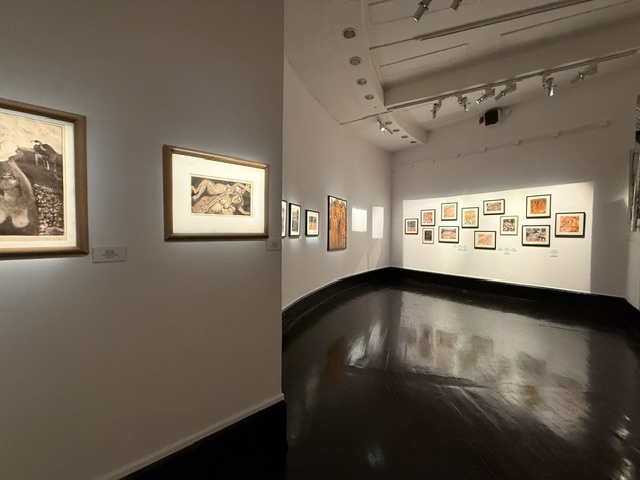
@galleriesplash, Naina Dalal's retrospective at NGMA Mumbai. presented by Gallerie Splash
That need for repetition shaped a very specific visual habit for clean outlines and simplified forms. Care had to be taken that things were not too fussy, because fussy details don't survive a woodblock.
That restraint became a style of its own, and printmaking became an art.
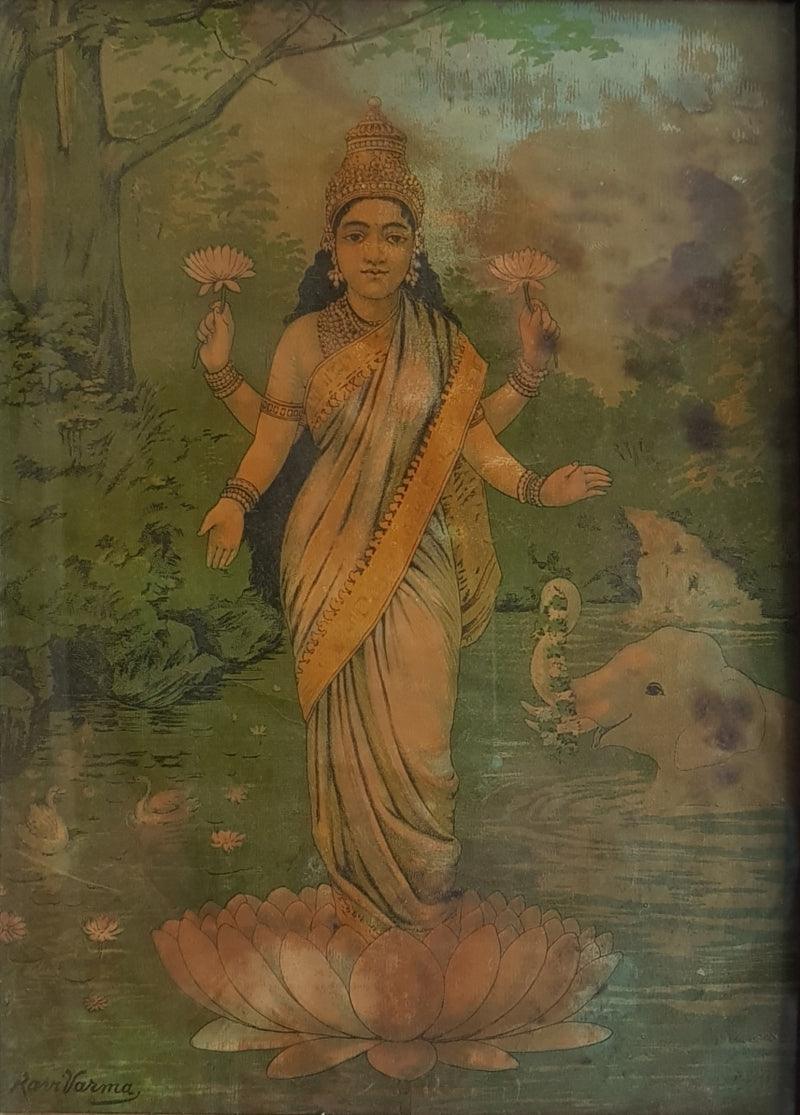
@rajaravivarma
The British Press Changed Everything
There was a big shift when lithography and etching arrived with the colonial printing presses. Images suddenly possessed the power to travel via newspapers, pamphlets, religious posters and calendar art.
This is where Raja Ravi Varma's oleographs come in. His mythological scenes, mass-produced as prints, became the visual reference point for gods and goddesses across the country.
Think about that for a second. Before mass printing, everyone imagined deities differently. After it, most of India was looking at the same standardised image and it still continues to be so.
That's the power printmaking. It didn't just decorate. It defined a new era of visuals and perceptions.
A New Playground for Modernists
By the mid-20th century, artists started treating printmaking as serious, independent art. Not just reproduction. Not just illustration but art that needed to be appreciated for its unique style of depictions.
Artists at Santiniketan and later the Baroda school experimented heavily with etching, lithography, and woodcut.
Somnath Hore, Krishna Reddy, Jyoti Bhatt, Naina Dalal, Zarina Hashmi. These names pushed printmaking into territory as serious as painting.
They used the medium's limitations creatively. Layering. Texture. Repetition. Things that only printmaking could do quite the same way. That experimentation slowly bled into painting, graphic design, and eventually digital art.
Some artists used the medium to go inward rather than outward. Dalal's work, for instance, is built on subtle, powerful introspection, mostly around the lives and emotional conditions of women. That same restraint printmaking demands, working with limited colour, limited marks — ended up suiting that quieter, more personal kind of storytelling.
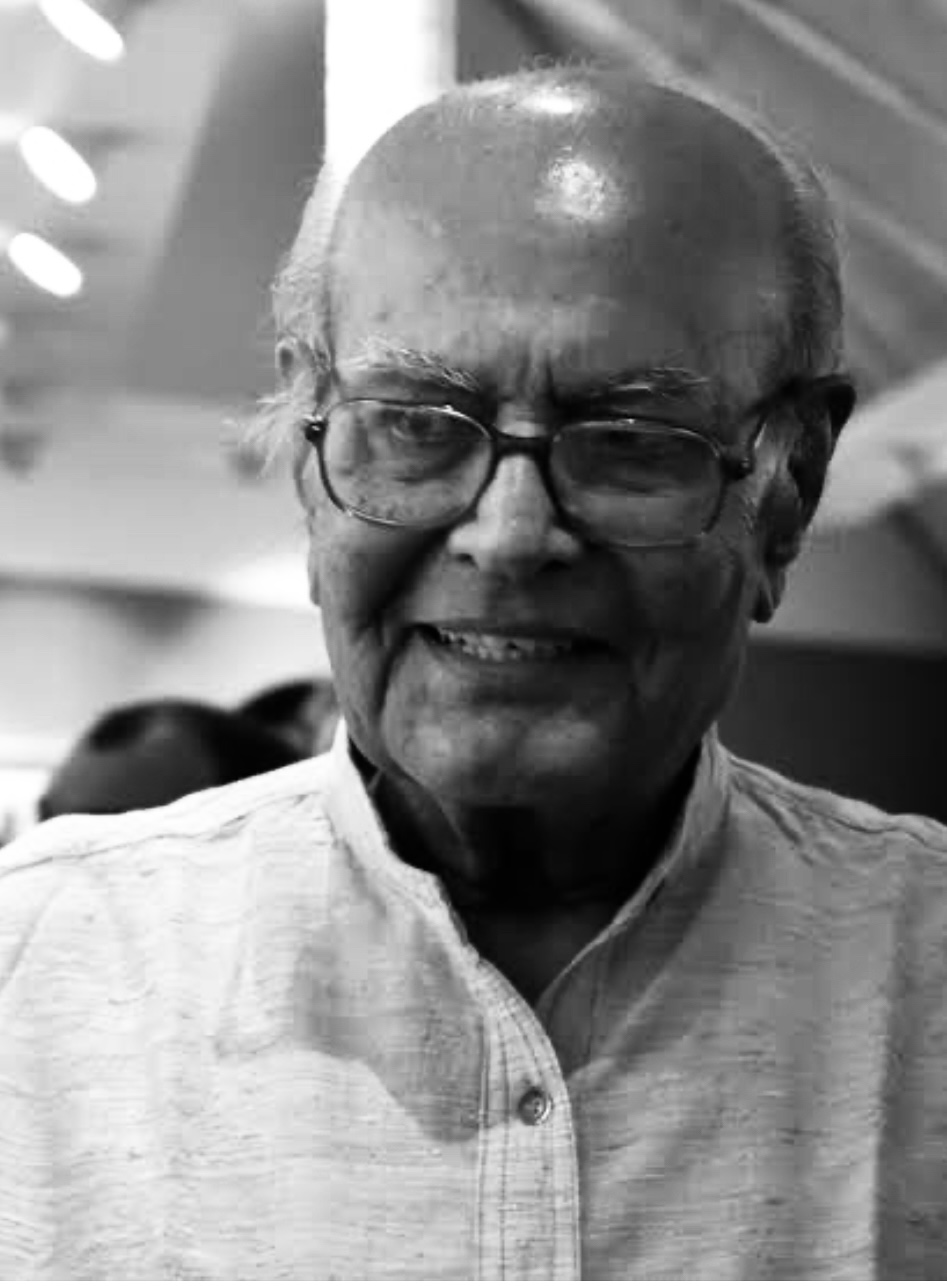
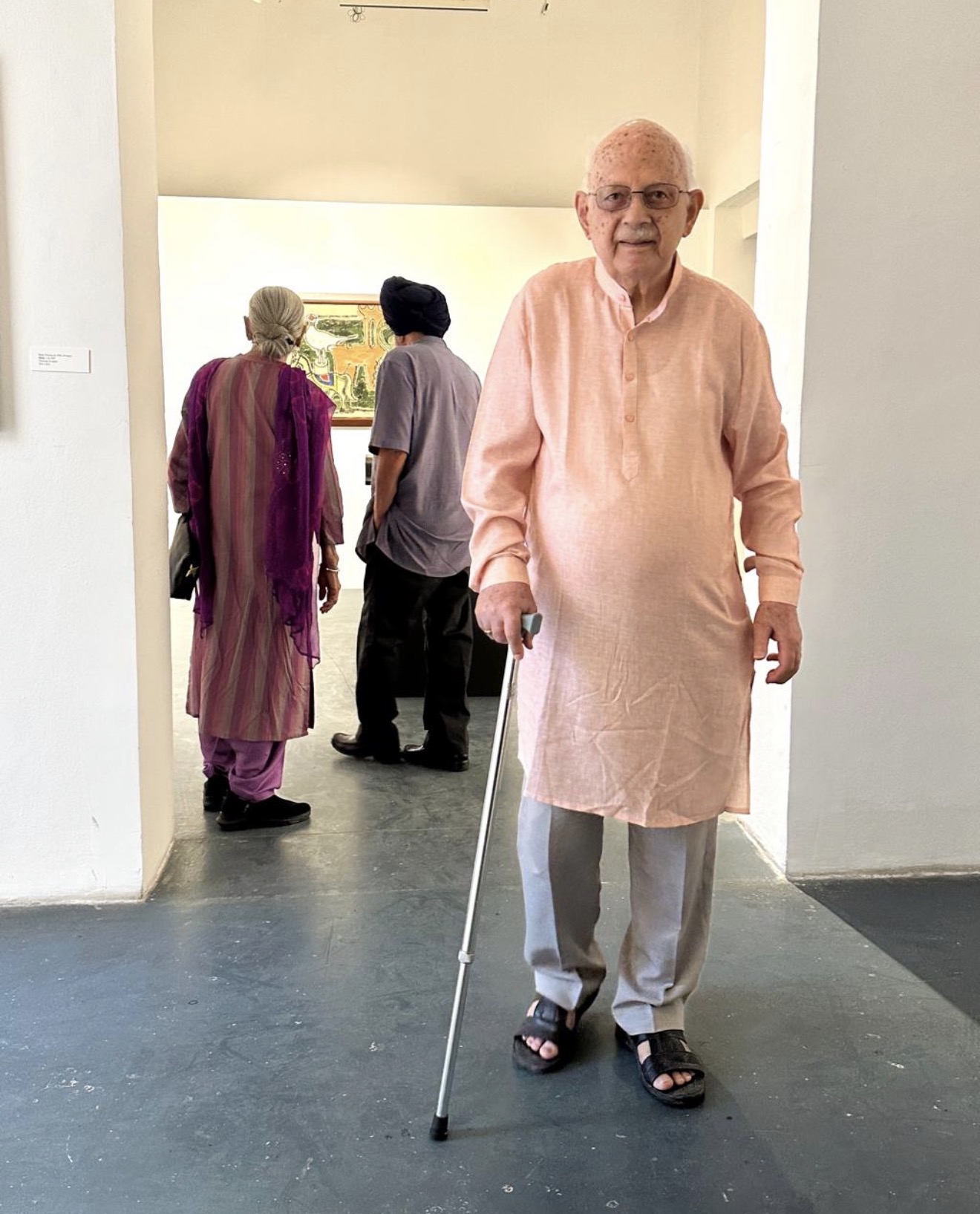
@artist and his family
The DNA Is Still Visible Today
Look at contemporary Indian graphic design, book covers, even branding work.
That's printmaking's fingerprint, whether the designer realises it or not.
Even calendar art and pop culture illustration owe a debt to those early lithograph techniques. The exaggerated colour, the graphic simplicity are all inherited.
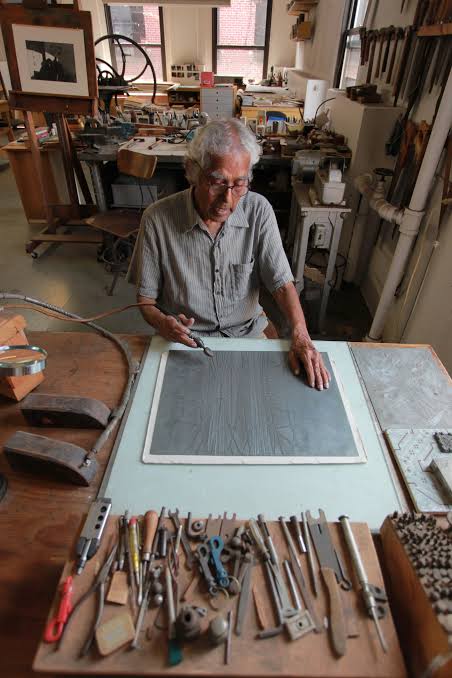
@ New York Times
Why This Still Matters
Printmaking taught Indian visual culture something painting alone couldn't.
It taught reproducibility. Consistency. Working within constraints and still creating something striking and visually appealing. Those aren't just artistic lessons. They're design lessons too.
Modern branding, poster art, even social media graphics rely on the same instincts printmakers built centuries ago. Simplify. Repeat. Make it recognisable at a glance.
A Medium That Never Really Stopped Working
Printmaking isn't some forgotten chapter in Indian art history. It will never be.
It's quietly embedded in how Indian visuals are made and read today.
Every time a designer flattens an image, repeats a motif, or leans into bold graphic simplicity, they're following a path printmaker carved out long before screens existed.
The tools changed. The instinct didn't and the beauty of its originality still remains.







Leave a Comment