Ratan Parimoo: The Historian Who Never Stopped Painting
Srinagar. 1936. That's where this begins.
Kashmir-born, and somewhere along the way, Parimoo turned into one of the sharpest minds Indian art history has produced. Honestly, Raton Parimoo is one of its most overlooked painters.
Now here's the thing about academia. We see most people who climb to the top pick one lane and stay in it. Not Parimoo. He ran the Department of Art History and Aesthetics at M.S. University, Baroda, for twenty-five straight years. First as a young professor, then as dean. He never once treated the classroom like it lived in a different building than the studio. He wanted to combine both seamlessly.
He'd trained as a painter himself. The way he taught was different, as he didn't want history reduced to a march of dates and movements. He wanted students to actually feel the friction between technique and theory, between thinking about art and making the damn thing with your hands.
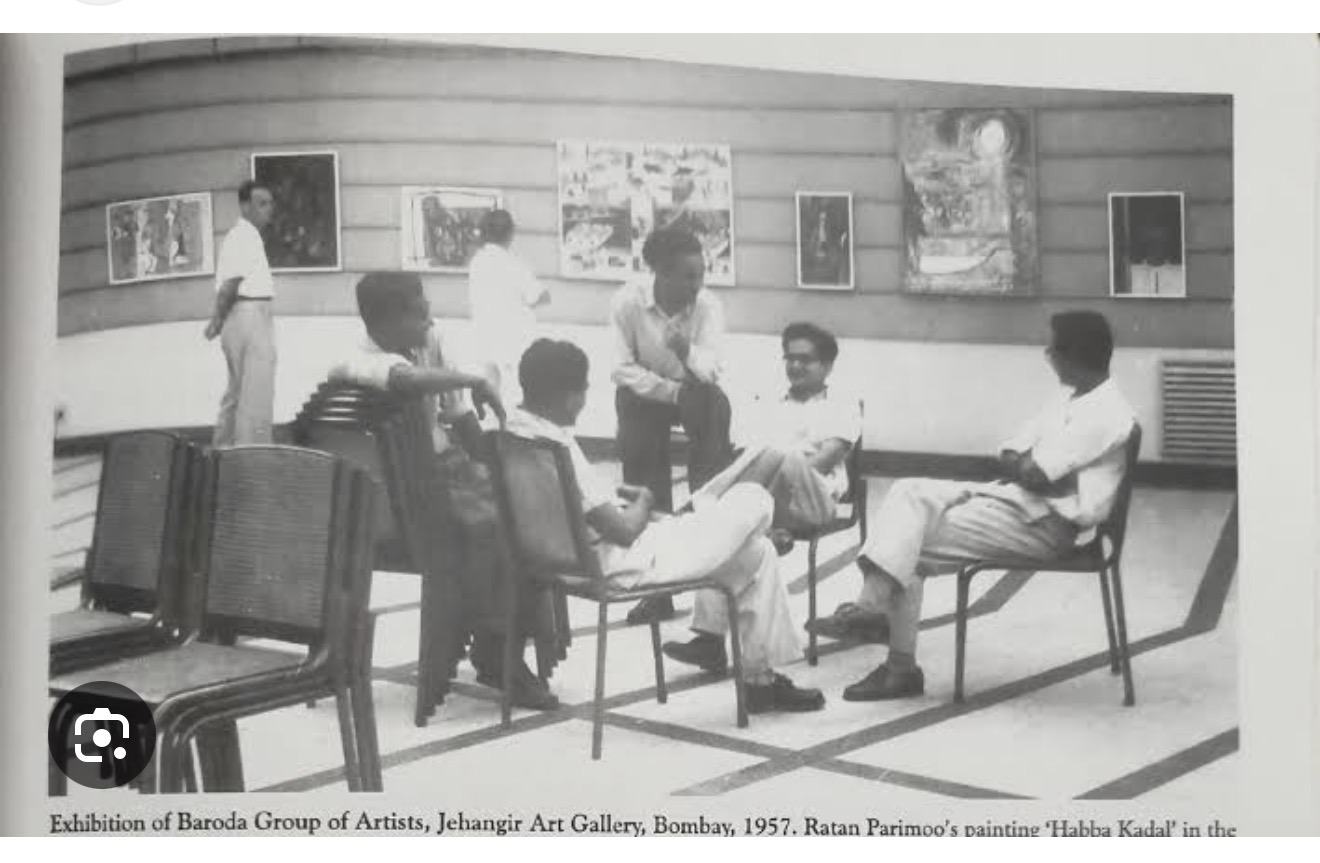
That refusal to let disciplines sit in their separate little boxes makes him unique.That's the thread, and when you pull it out, his whole career unspools. Barely more than a kid himself, in 1956 Ratan Parimoo https://www.galleriesplash.com/artists/224/ratan-parimoo co-founded the Baroda Group of Artists with a lineup that reads like a who's who now: G.R. Santosh, K.G. Subramanyan, Shanti Dave, N.S. Bendre, Jyoti Bhatt. Their whole project was picking up the thread Santiniketan had dropped a decade before and reviving it, weaving living Indian tradition into modern method instead of pitting the two against each other.
@Baroda group of artists, and @owner of the photo
Ratan Parimoo headed the department from 1966 to 1919. A quarter century is a long stretch to hold one idea steady, and his idea was simple, even if the execution wasn't: art history isn't the property of historians alone. It lives at an intersection of theory, research, painting, and aesthetics. Disciplines universities love to wall off from one another for no good reason. He spent twenty-five years trying to tear those walls down, brick by brick.
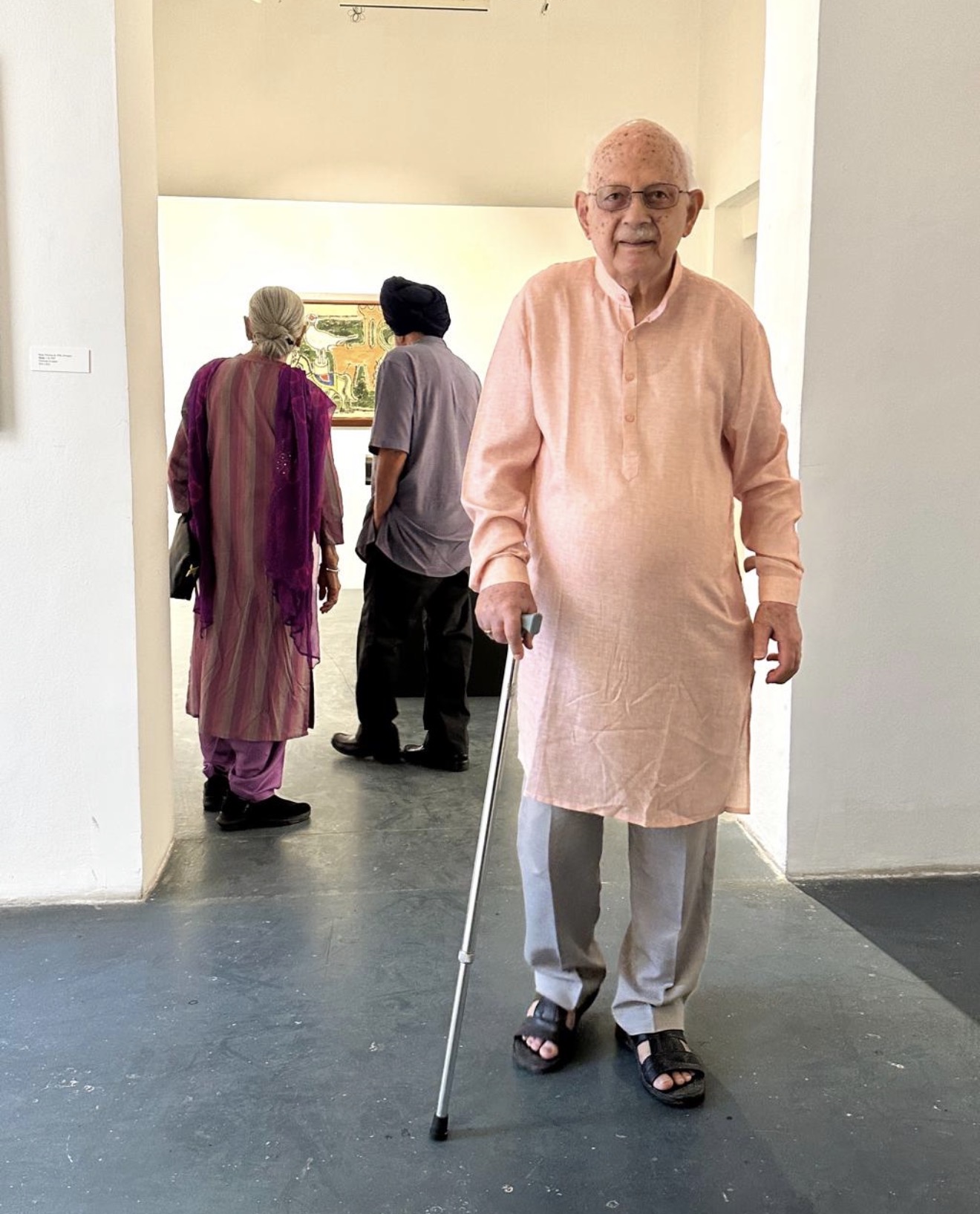
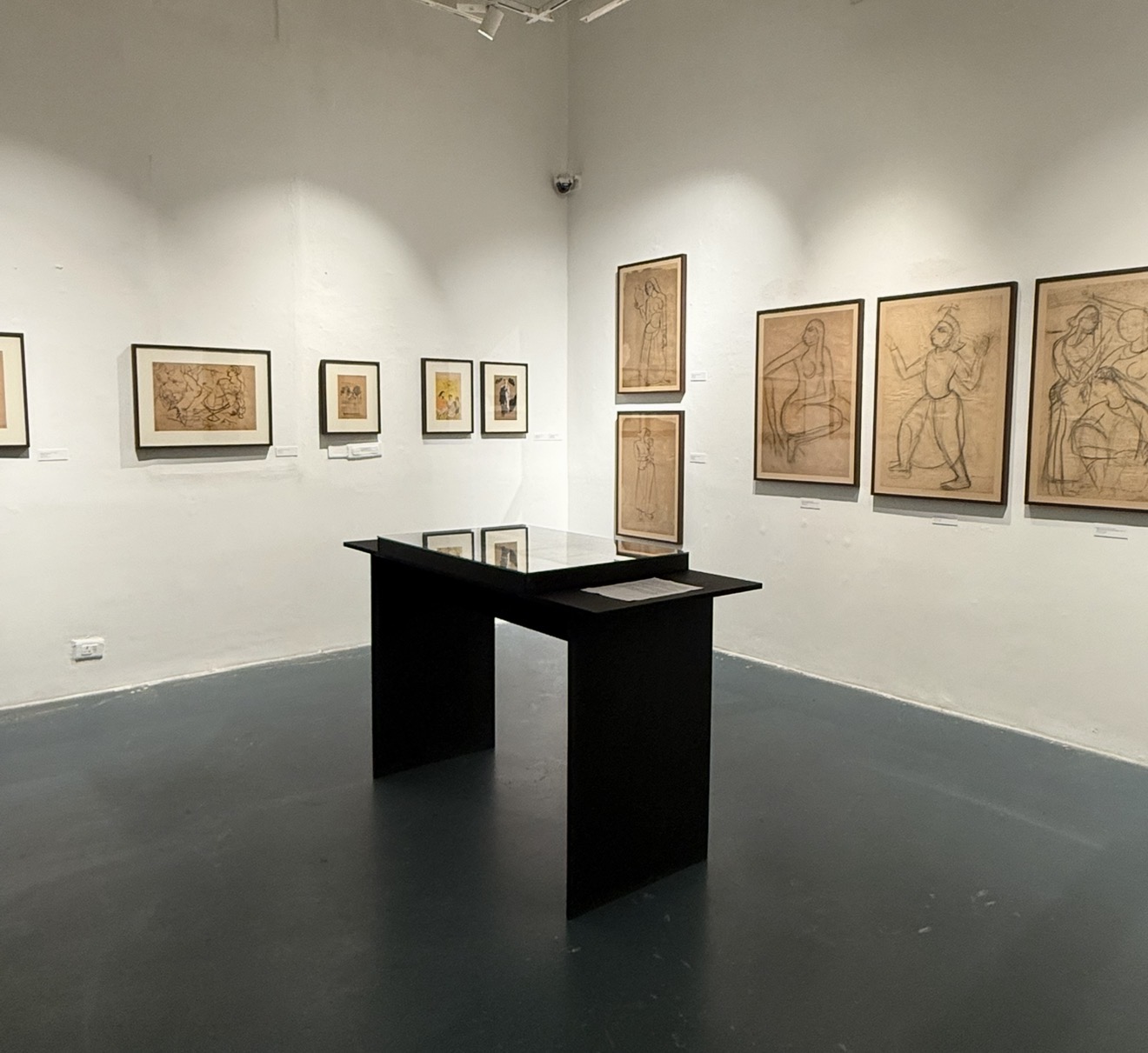
@galleriesplash, Ratan Parimoo solo exhibition by Gallerie Splash at Bikaner House, 2026
And the writing matches the teaching. Ajanta, Ellora, Jain manuscripts, Rajasthani and Pahari and Mughal painting, the range alone would burn out most specialists twice over. Art of Three Tagores: From Revival to Modernity is still considered essential reading on the subject. https://www.galleriesplash.com/product/2114/Studies-from-Indian-Sculpture---19
That's the kind of work book scholars keep coming back to. Later he took the helm at the Lalbhai Dalpatbhai Museum in Ahmedabad, too.
About his paintings, what's unique about his work is that it doesnt fit neatly into one bucket. And that's the whole point.
Have a look at “Kashmiri Women” from 1956, https://www.galleriesplash.com/product/2121/Doonga-on-Vitasta---15 which is a celebration of the region of his birthplace. It showcases three women in traditional attire and ornamentation pounding and shifting dry spices.
@galleriesplash, Painting by Ratan Parimoo from his Kashmir Series
The almond-shaped eyes and rounded figures are associated with Kalighat folk painting. But there is nothing folk about the artist's intent. He was using a traditional visual vocabulary to say something modern about memory and displacement, with his confident lines used to delineate them.
Subtly, with tenderness, he has conveyed the memories of his homeland with a sense of nostalgia.
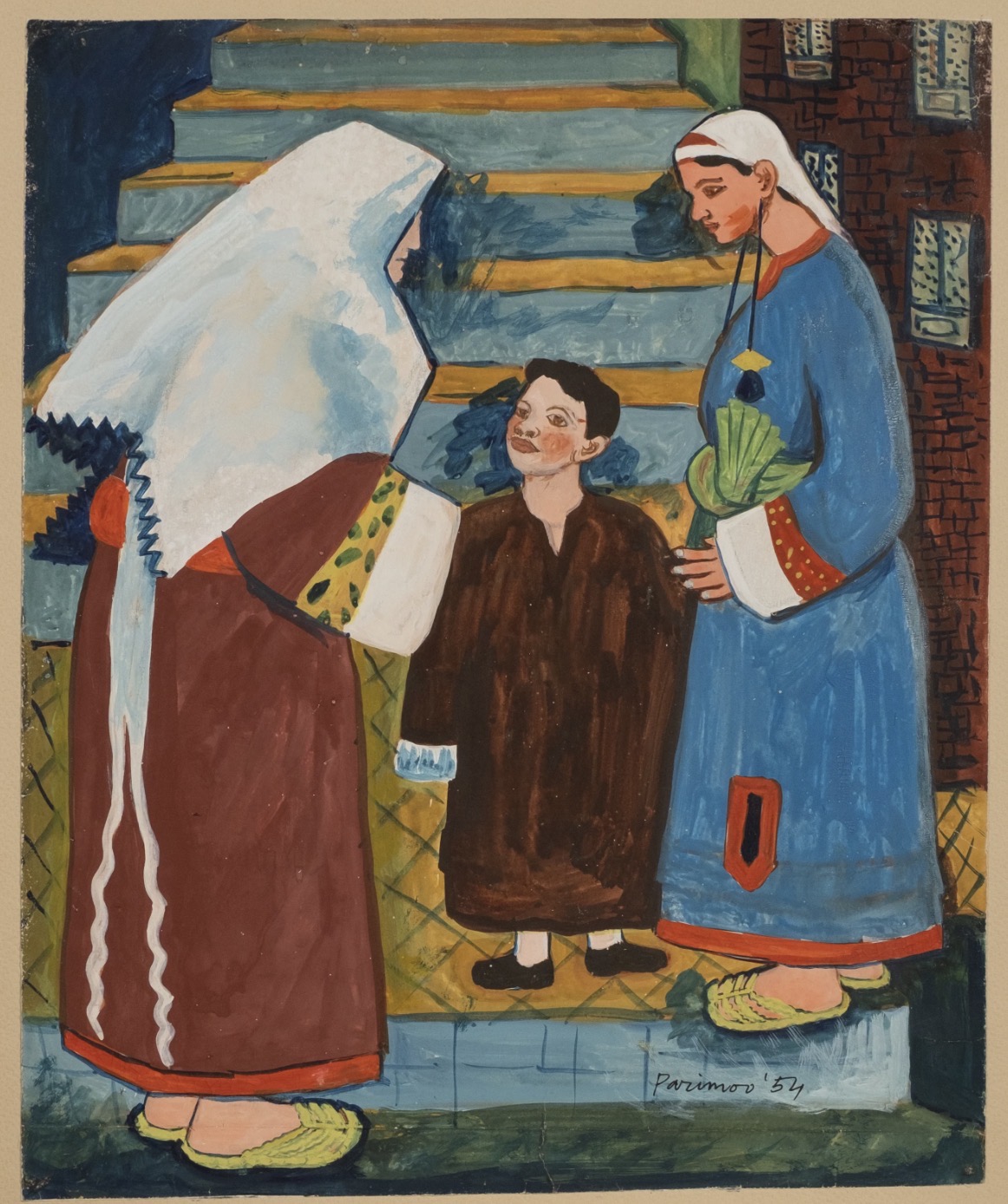
@owner of the video, photo
His other paintings, “Experiences of Indian Life I,” are paintings that explore the subjects from the artist's direct experiences of life in and around Baroda. The artist has drawn from his treasured trove of memories, for example, the vegetable market and the marriage processions made in 1957 with oil on canvas are all his ambitious works.
.
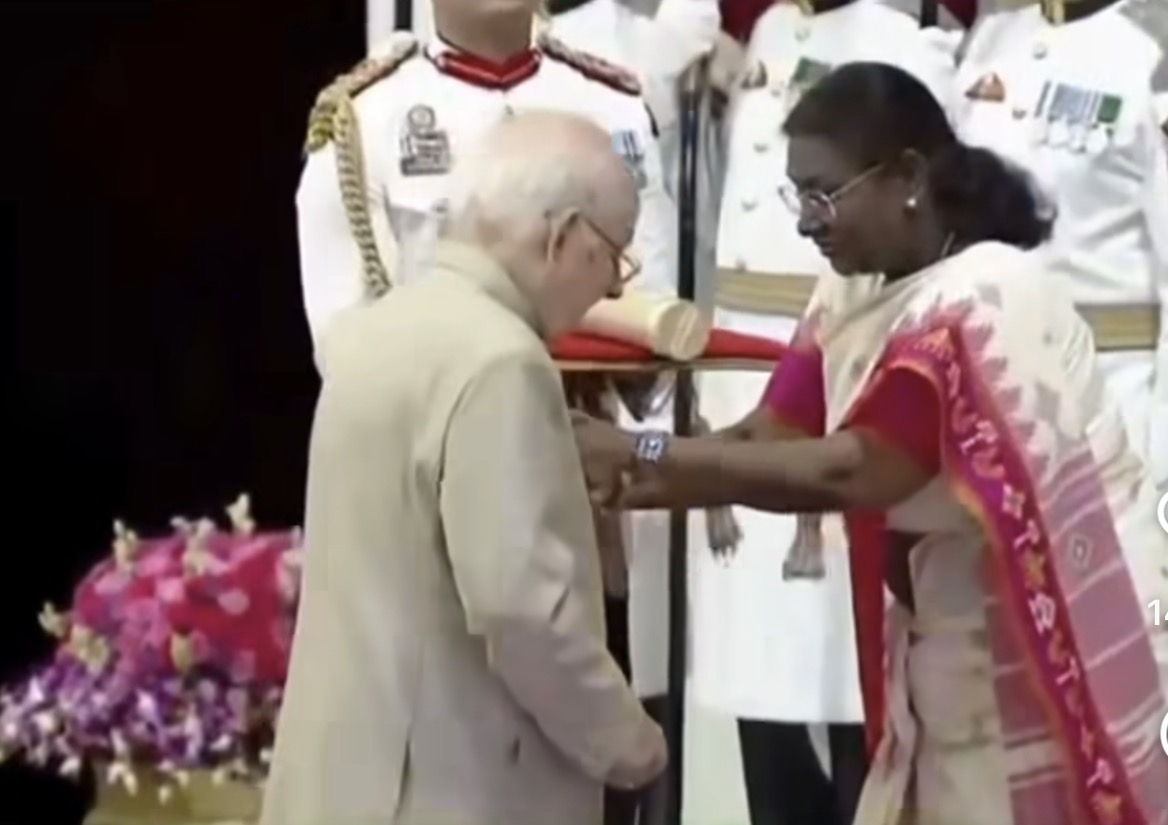
In January 2025, the Government of India finally bestowed upon him the Padma Shri, the fourth-highest civilian honor in the country. Late, though, some careers just aren't built for quick applause. They're built for the long haul, and Parimoo's is one of them. https://en.wikipedia.org/wiki/Ratan_Parimoo






Leave a Comment