Why Figurative Expression Still Matters in Contemporary Indian Art
Go to any contemporary art show in India right now. You'll still see faces. Bodies. People. It is not geometric shapes, nor are they colour-splashed on canvas for the sake of it. It's more about actual human figures, doing very human things.
And honestly, that's a little unexpected. Because everywhere else, art seems to be moving toward abstraction and digital experimentation. For an artist and any art lover, that does make you think.
Why does the human figure keep showing up in Indian art, decade after decade?
The body was never seen as an object of decoration
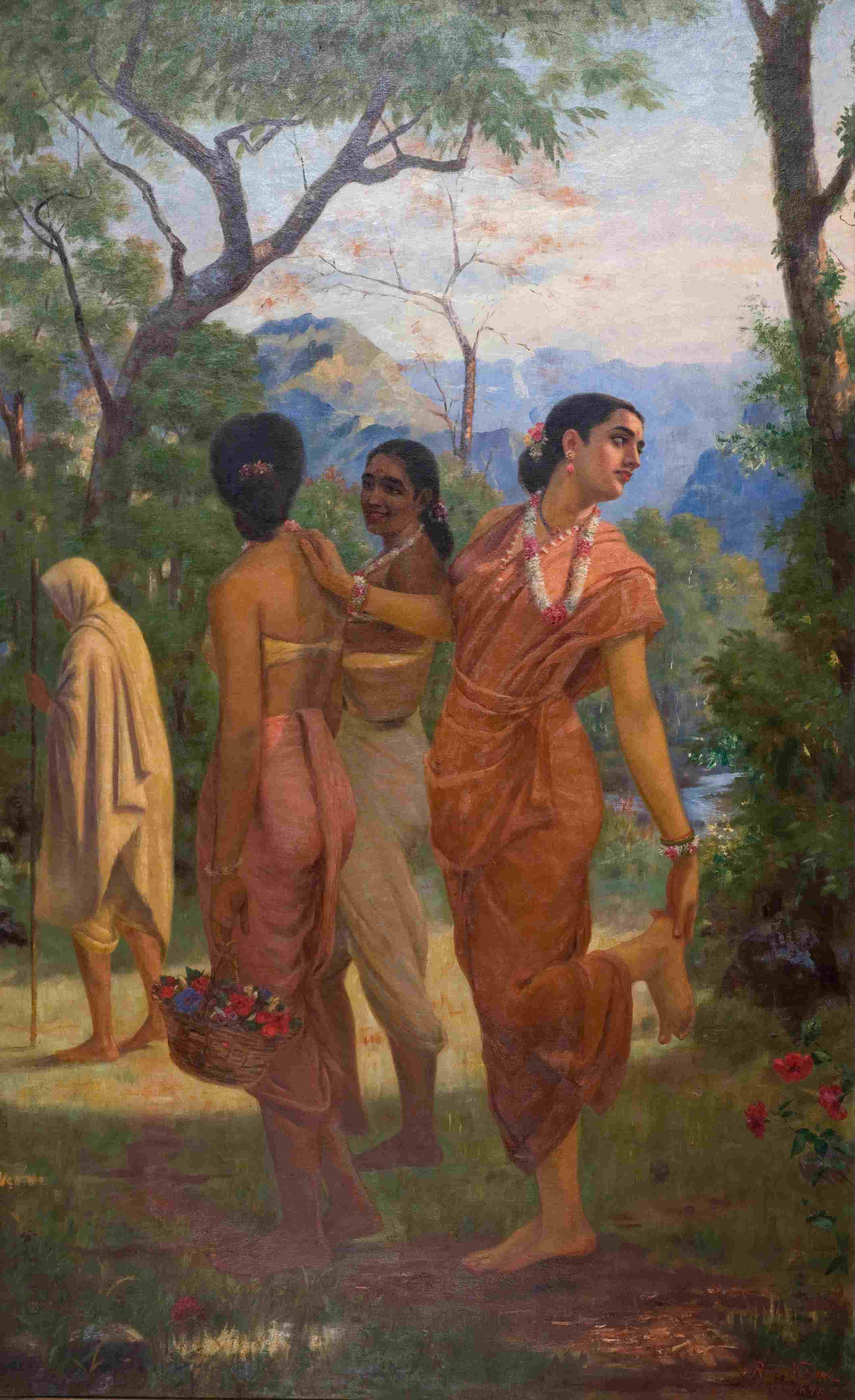
If you look back, Indian art has always used the human form to say something.
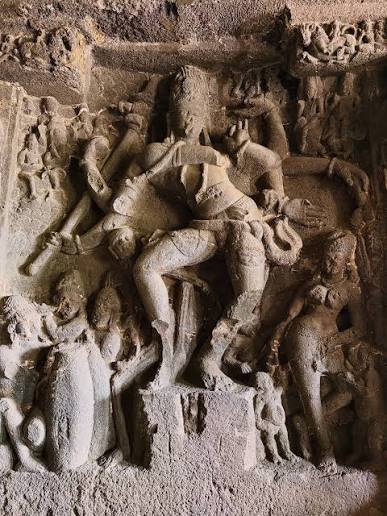
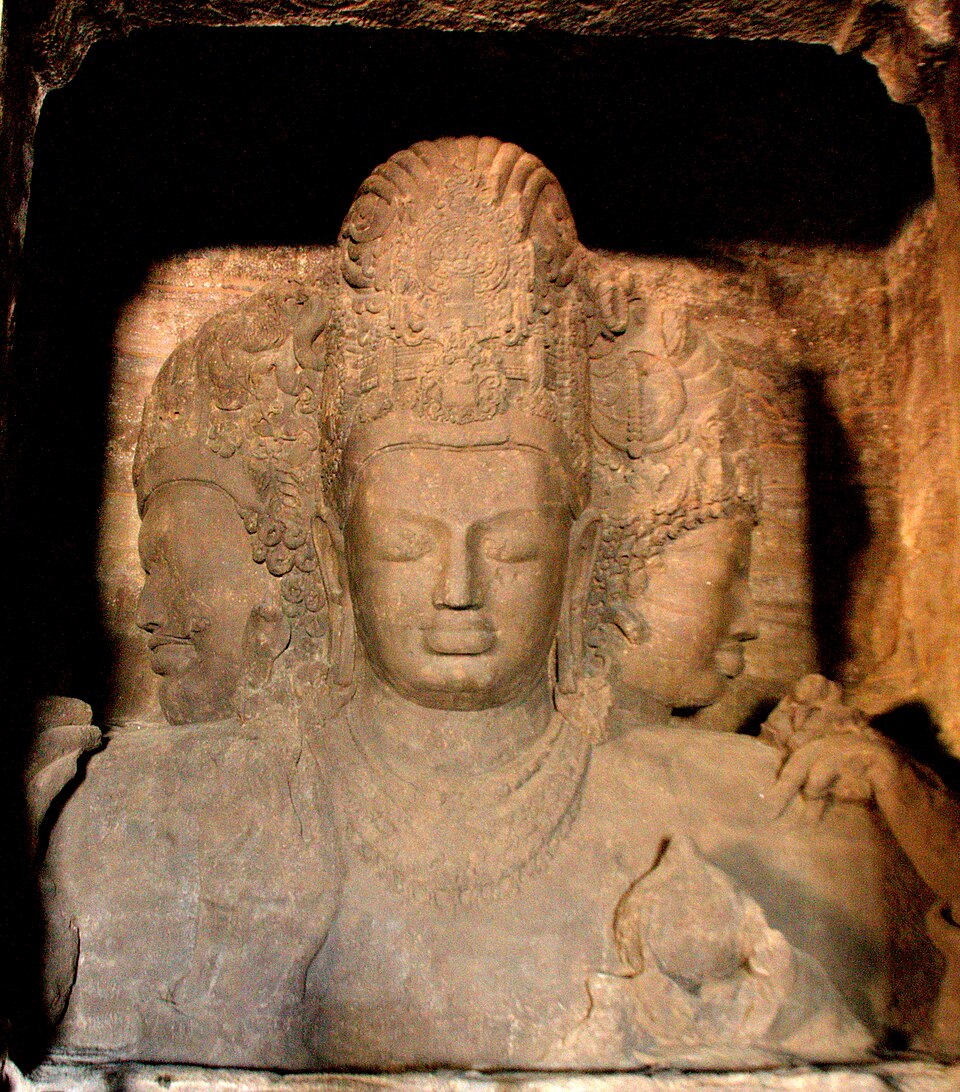
The Ajanta cave paintings and the complete intricate stone sculptures, along with the stunning interior murals, aren't just pretty figures. They captured devotion, sorrow, and calm.
@Ajanta Ellora caves, by its owner
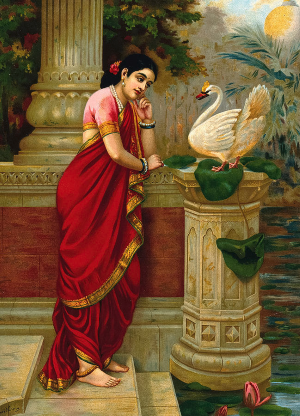
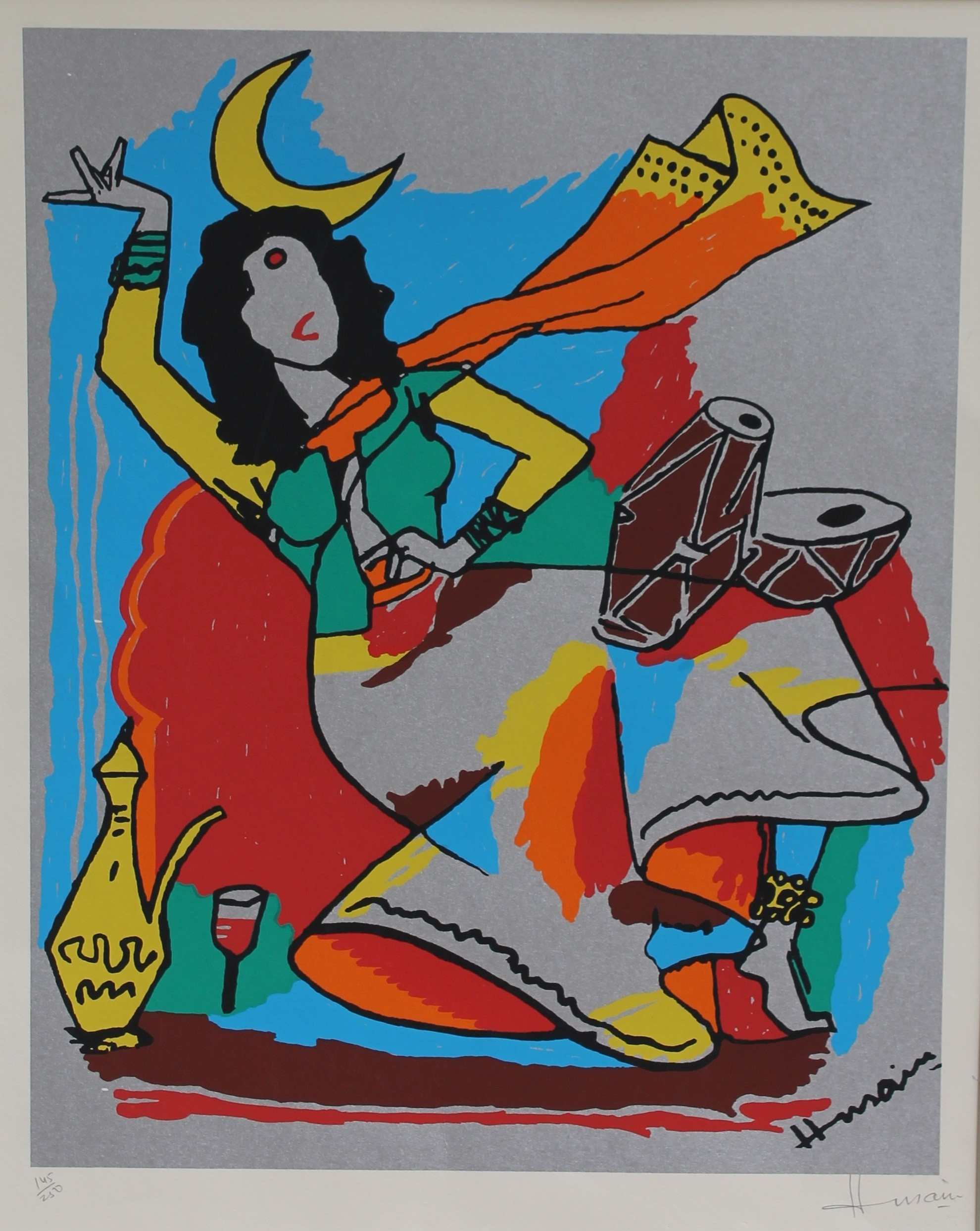
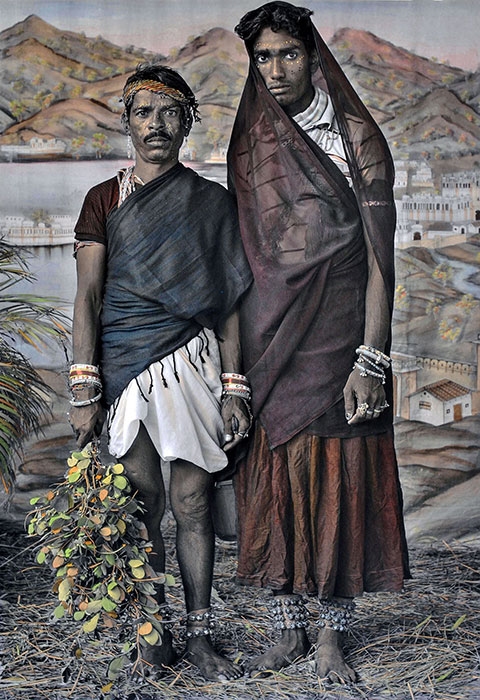
Colonial-era Company paintings used figures to record identity, occupation, and social hierarchy. And not only that, even modernists like Husain and Souza, who twisted and distorted the figure until it barely looked human, never actually let go of it. They still couldn't completely remove the human figures.
That's not a coincidence. It is seen as a pattern going back centuries.
@MF Husain, Painting by MF Husain, Dancing girl
Stories need faces.
Abstraction has its place. It's not being dismissed here.
But try telling a story about caste discrimination through colour blocks alone. Try showing what displacement feels like, or what a mother losing her child looks like, without a single human form in the frame. Is that even possible? Some experiences are too specific, too personal, to be left to shapes and gradients. They need faces. They need that human depiction, as there needs to be an emotional human connect.
That's where figuration steps in. It gives artists a way to speak about real people and real pain, not just vague emotion.
Political Art cannot be conveyed without bodies.
A lot of what's happening in Indian contemporary art right now is political. There are so many depictions that are based on Farmer protests. Communal violence. Gender-based crimes. Urban displacement. Every such depictions cannot be portrayed without human depictions as all of them are issues pertaining to mankind.
These aren't abstract concepts. They happen to actual people, in actual places, on actual days.
So naturally artists go back to the figure. A crowd of recognisable people painted on a canvas creates a different reaction than the same message expressed through pure form.
It hits closer. It feels real.
Folk Art and Figures
Have a look at Madhubani, Warli, Gond, Pattachitra. All of them are still full of human and animal figures. All of them are still thriving today.
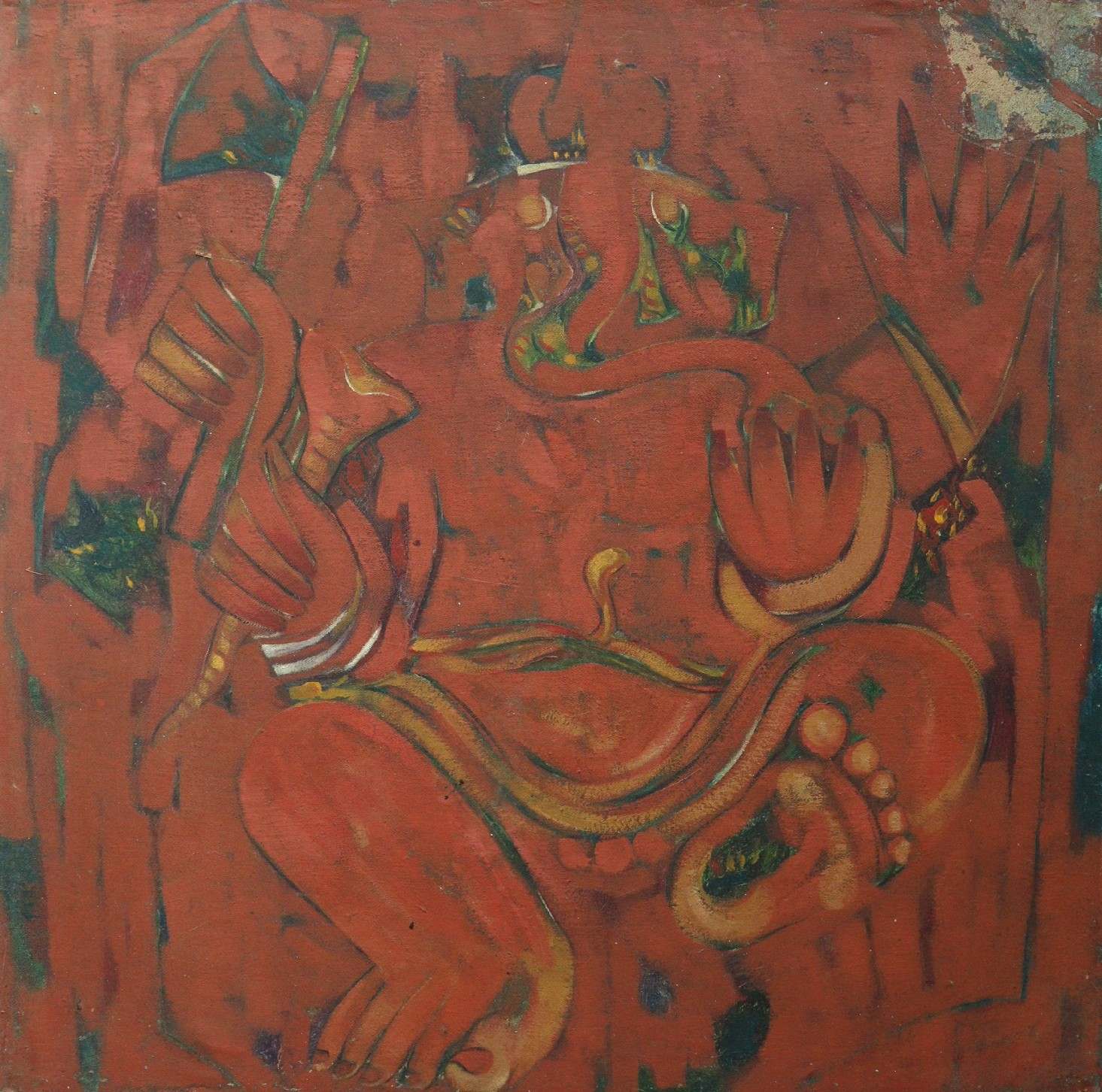
Contemporary artists borrow from these traditions constantly, reworking old figure-based styles with new, modern themes.
That keeps figuration feeling alive, not outdated.
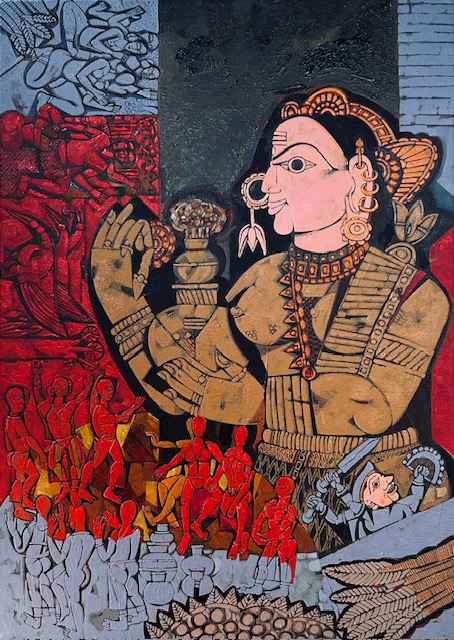
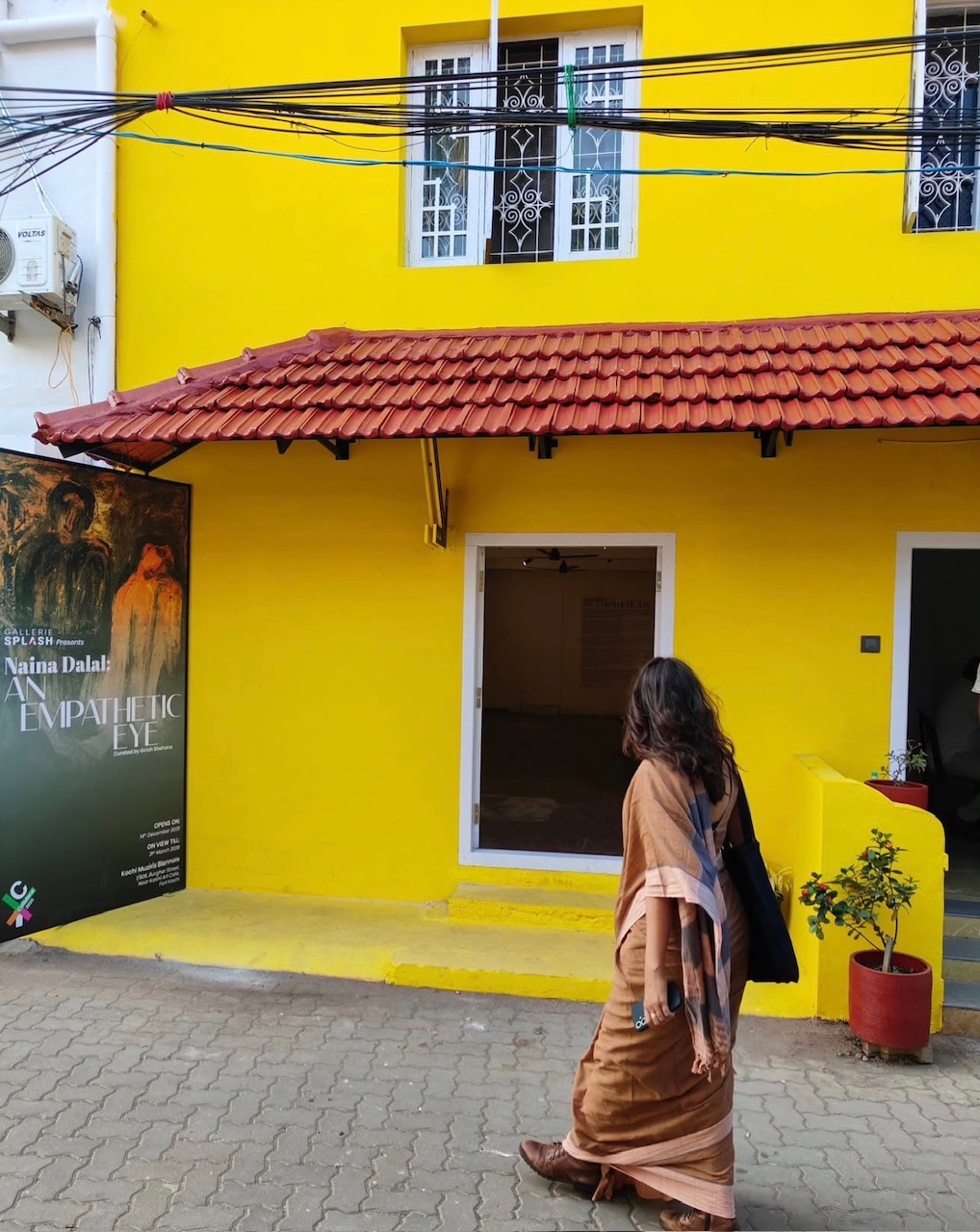
@galleriesplash and artist
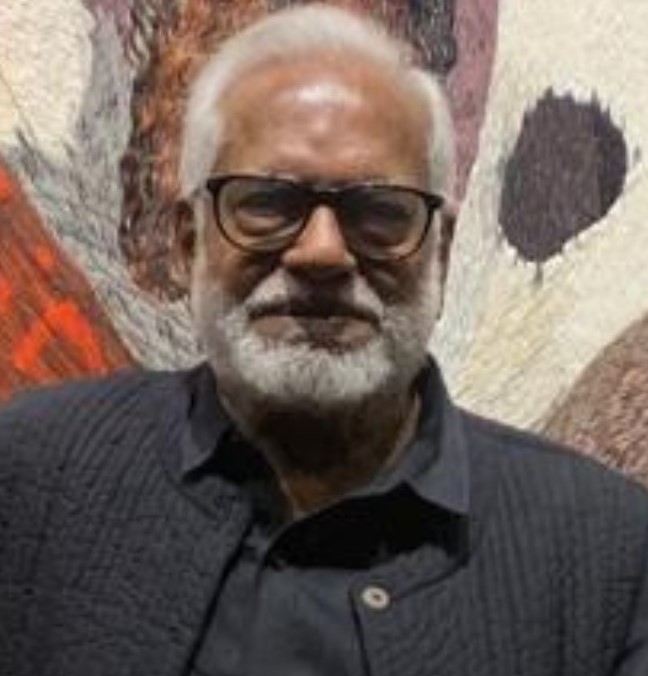
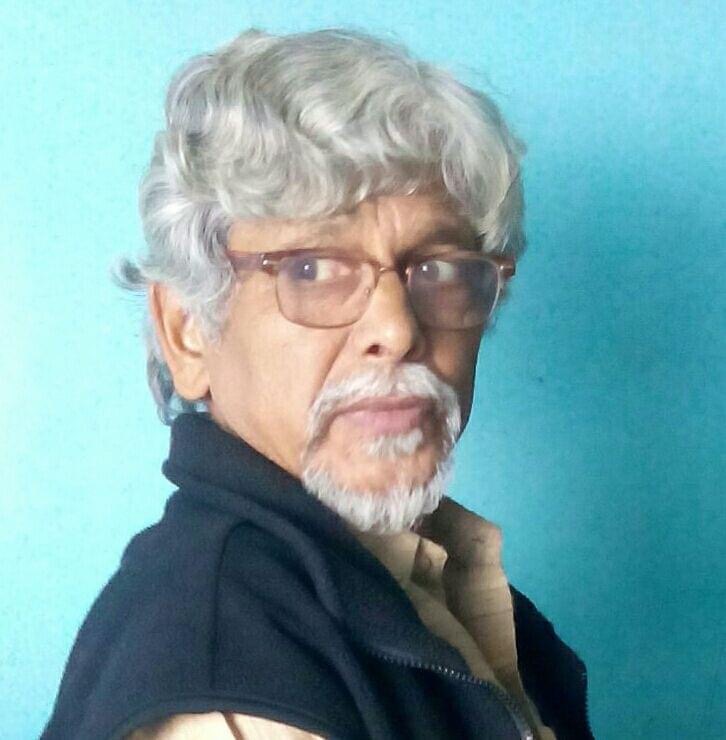
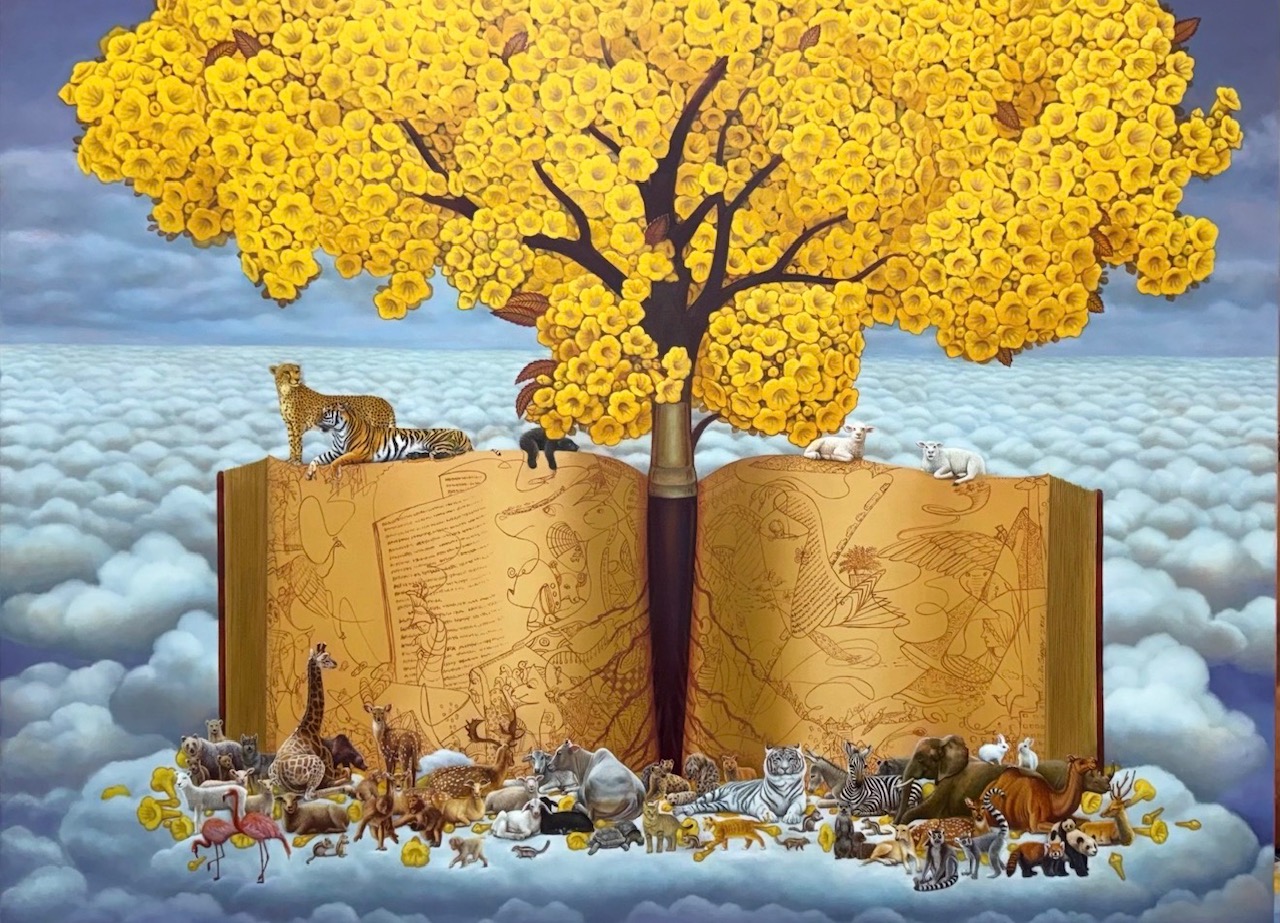
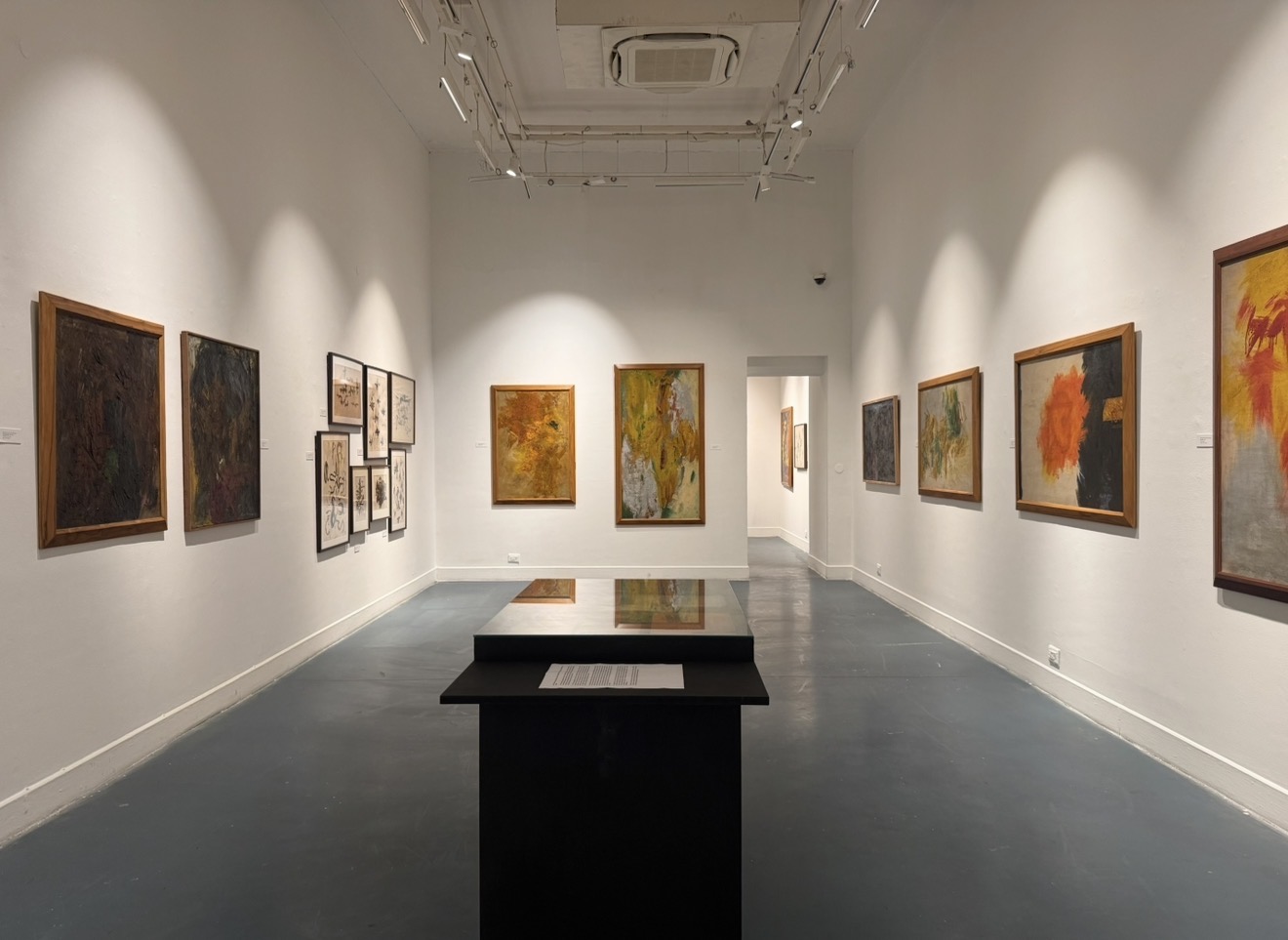
To mention here there are artists don't pick a side at all. Prabhu Harsoor is one such artist who has spent years working in that in-between space, where the abstract and the figurative blur into each other. Over time, that constant back and forth has shaped a visual language that feels distinctly his own. It's proof that figuration doesn't have to compete with abstraction. Sometimes the two just need to sit in the same frame.
@galleriesplash
People Connect With People
Here's something simple but true. A painted face grabs attention faster than a pattern does.
Galleries know this. Collectors know this. Even Instagram's algorithm quietly favours images with human faces in them.
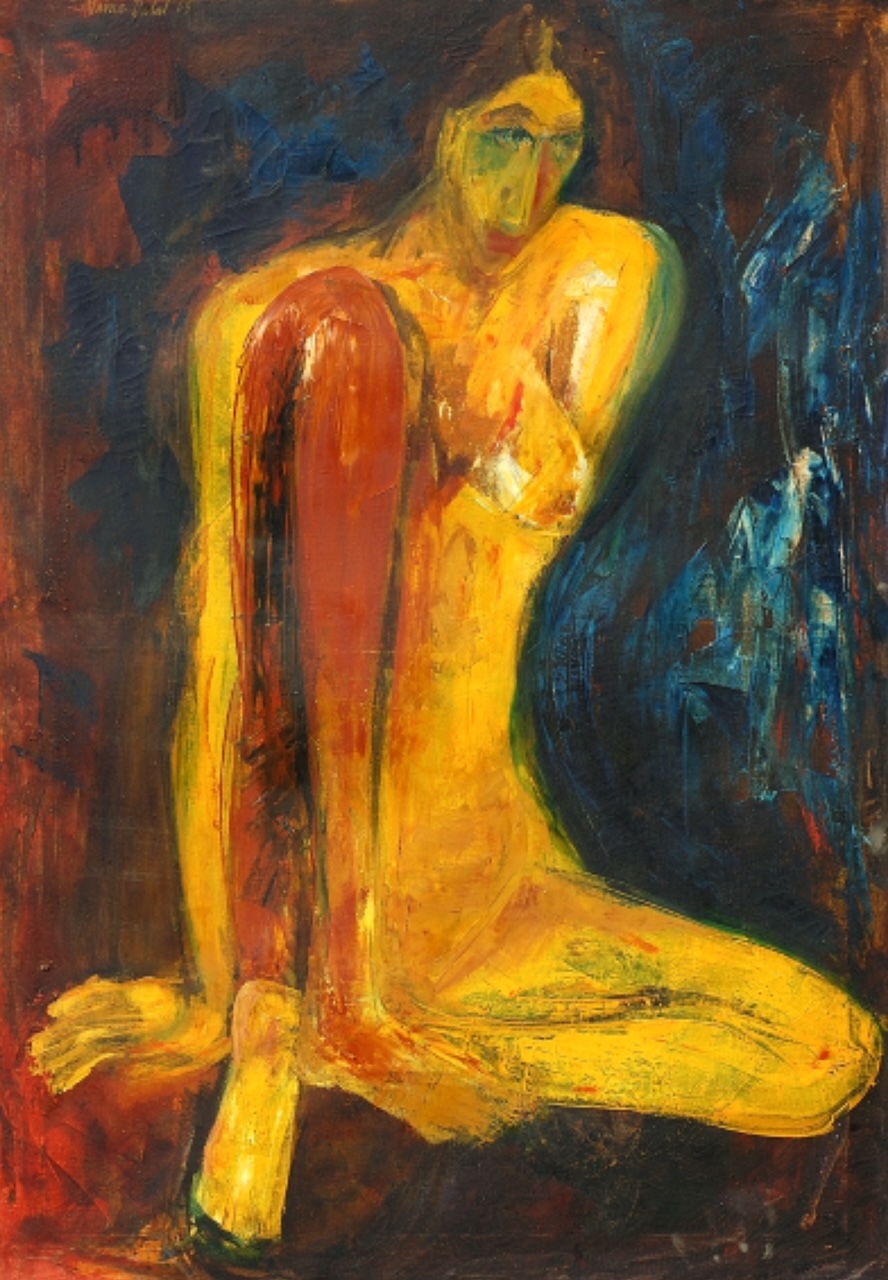
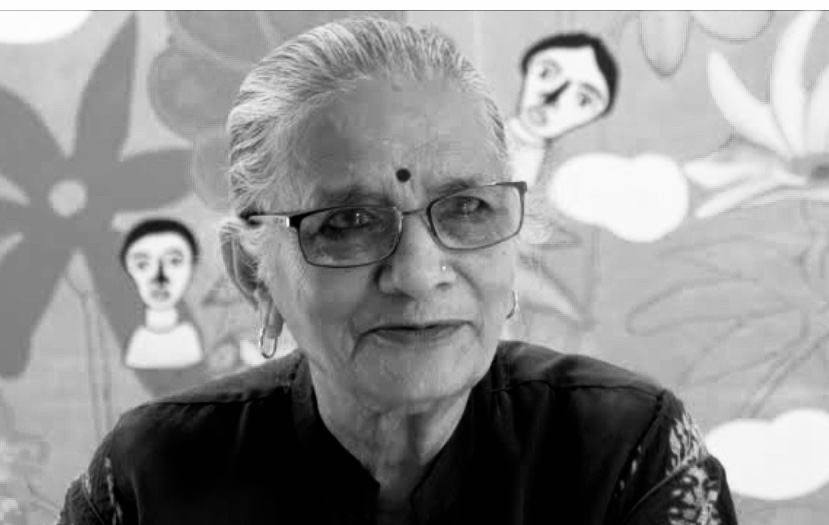
Take Naina Dalal's work. It's built on subtle, quiet introspection, mostly around the lives and emotional states of women. Her canvases are full of female figures, animals, and still-life objects, each one carrying its own little story.
So for a lot of artists, using the figure isn't just an artistic decision anymore. It's also about being seen, being felt, being remembered.
The Figure Isn't Old. It's Just Useful.
Contemporary Indian artists aren't holding onto figuration out of habit or nostalgia.
They're using it because it does things abstraction simply can't. It tells specific stories. It carries political weight. It makes viewers feel something instantly.
The tools around it keep changing — digital brushes, mixed media, AI-assisted processes. But the human figure keeps finding its way back into the frame.
Maybe that's the real story here. Indian art has always been about people first. Everything else is just the method.


Leave a Comment