Mythology as Visual Language in Contemporary Practice
Have you ever noticed how many gods and monsters show up in galleries lately? You are certainly not imagining it.
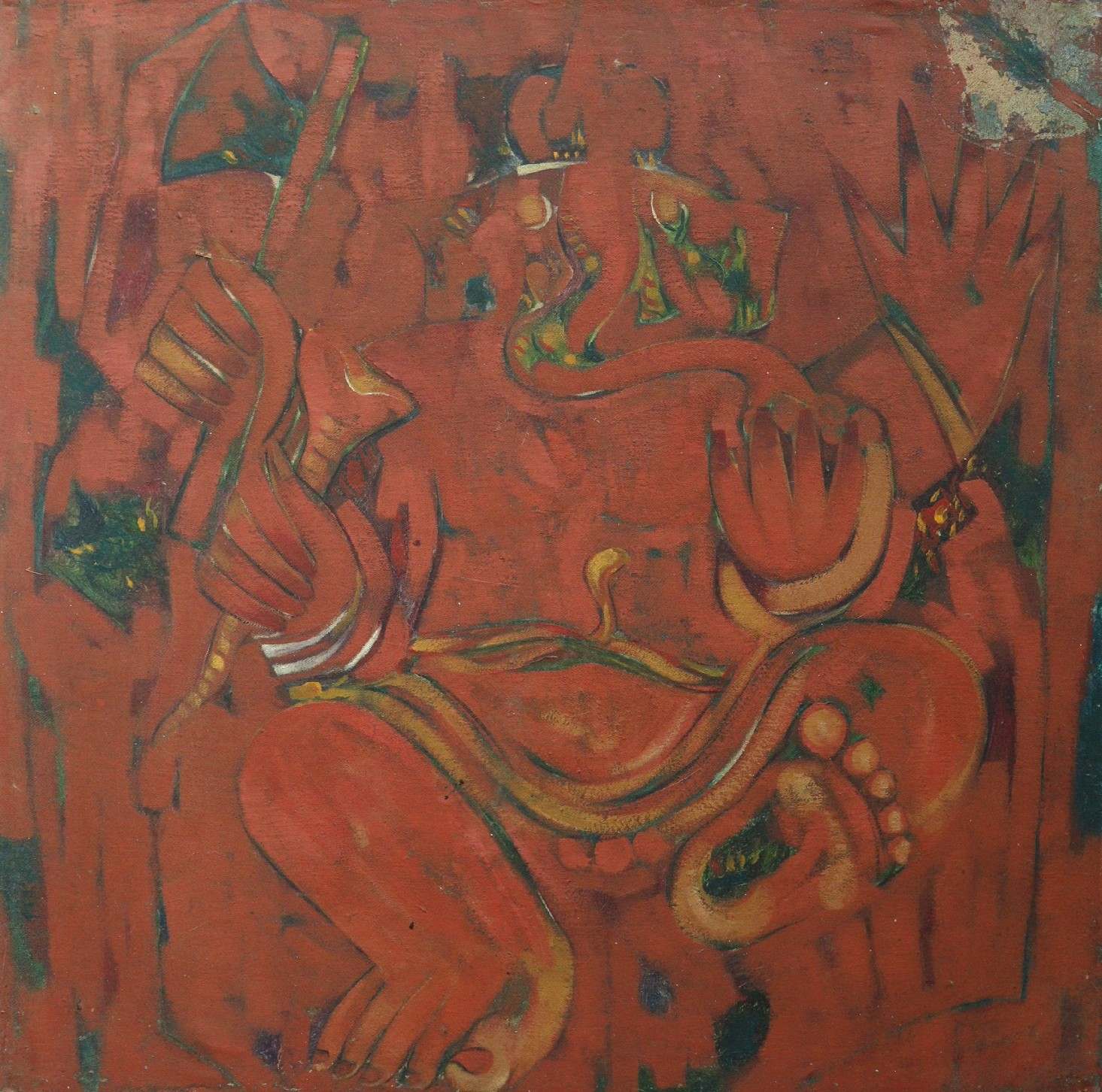
A painter reworks Medusa to portray it as female rage. A street artist sprays Ganesha onto a wall next to a subway. A fashion label builds a whole collection around Icarus, wings, whenever the concept has to symbolize danger, pride, and excessive ambition.
Using mythology in art isn't new. But today artists are using it in different ways, and it is worth understanding how and why.
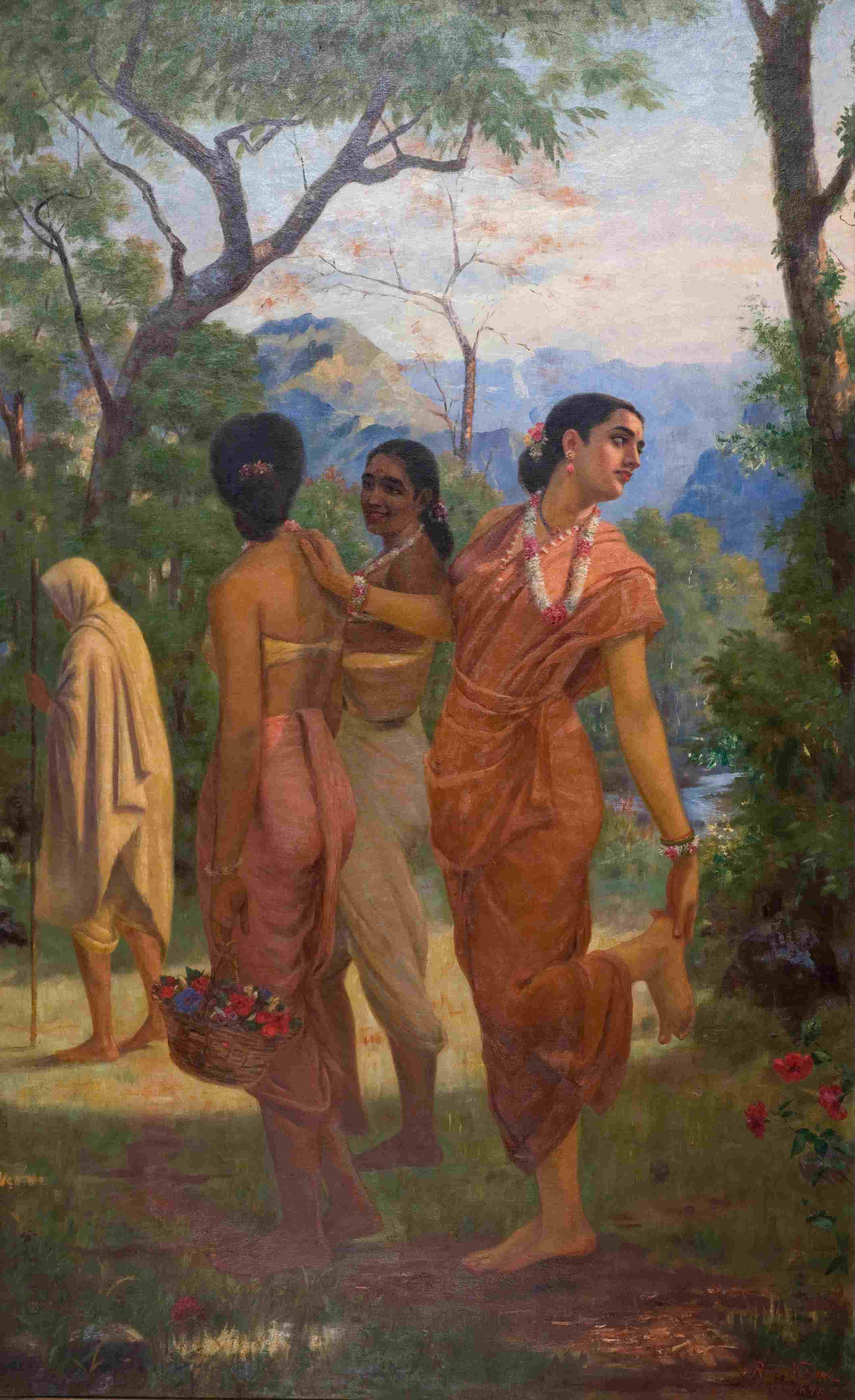
Depictions of old mythology most commonly worked as shared short hands. A painter could portray one image on canvas, and the whole story would unfold, just so easily
@owner of the manuscript
Everyone knew Orpheus turned around when he should have, right? But unfortunately, that shared knowledge has started to thin out badly. How many of us can be sure to say that we grew up on the same myths as our grandparents did?
Well, in today's era, close to none.
Even though this is what it is, artists today still keep reaching for this material anyway. Why? Because today their goal has changed. It is no longer “you know all about it”, but Myth today is used as a raw material to rebuild and use it to say something about right now.
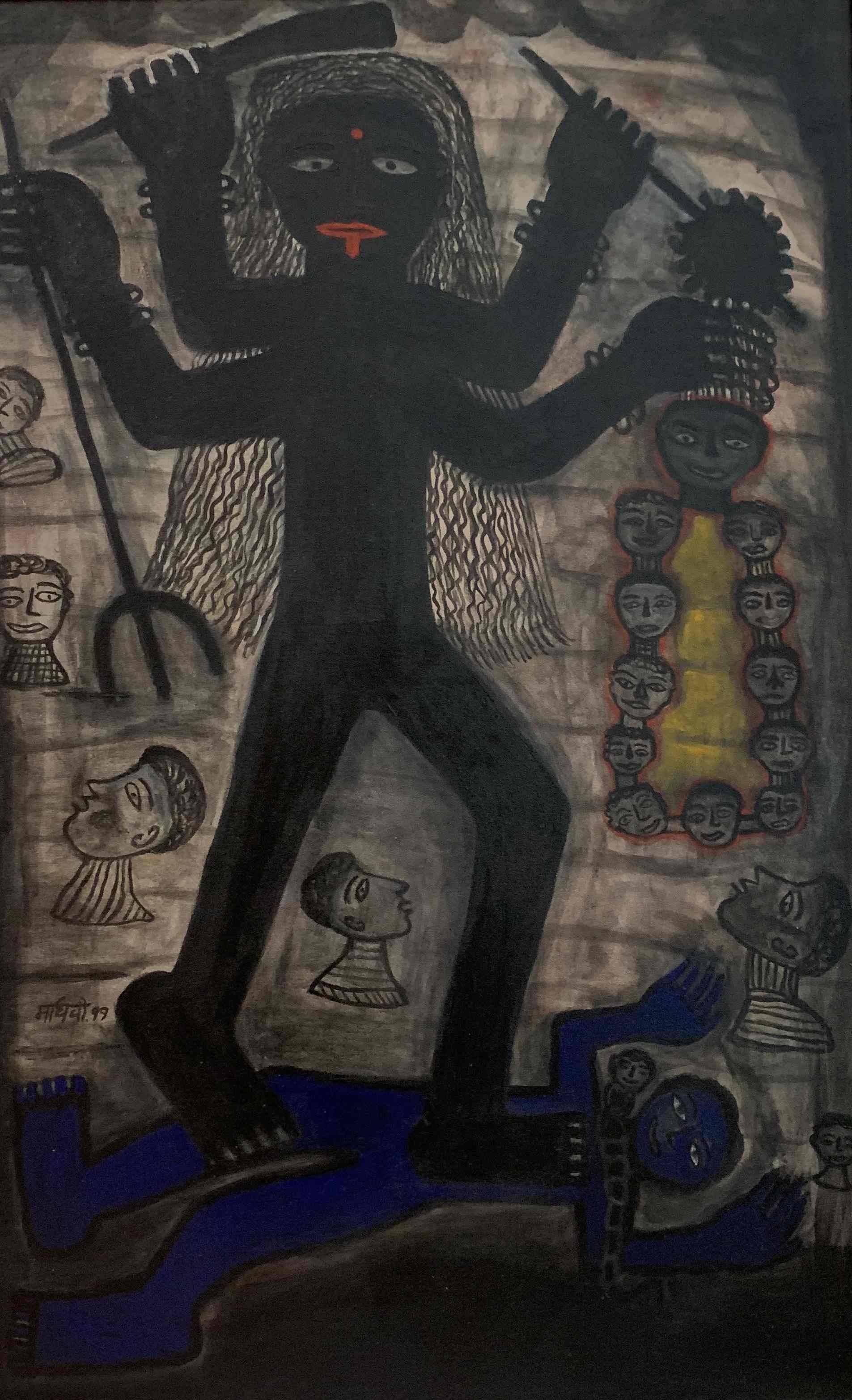
For example, look at Kali in South Asian contemporary art today; she shows up constantly but rarely as a religious figure or reference. Today she stands in for anger that refuses to behave.
Nobody is interested in illustrating the myth. It is used as a presentation or a medium of communication, or more so as a language.
Greek gods today get pulled into queer art or figures who, if you really delve into the source texts, were never particularly straight.
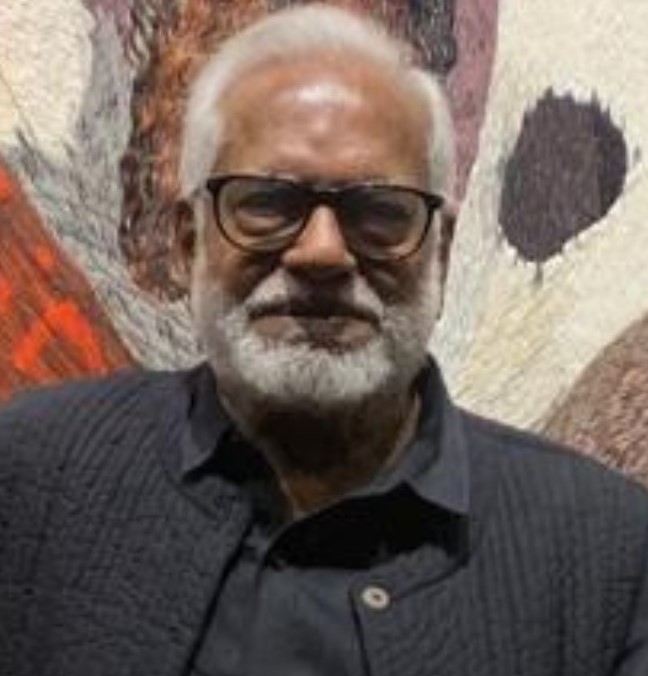
Want to see what that looks like when it's done properly, not decoratively? Look at Ratan Parimoo.
He cofounded the Baroda Group of Artists in 1956, alongside K.G. Subramanyan, N.S. Bendre, and Jyoti Bhatt. He also spent twenty-five years running the Department of Art History and Aesthetics at M.S. University, painting on the side the whole time.
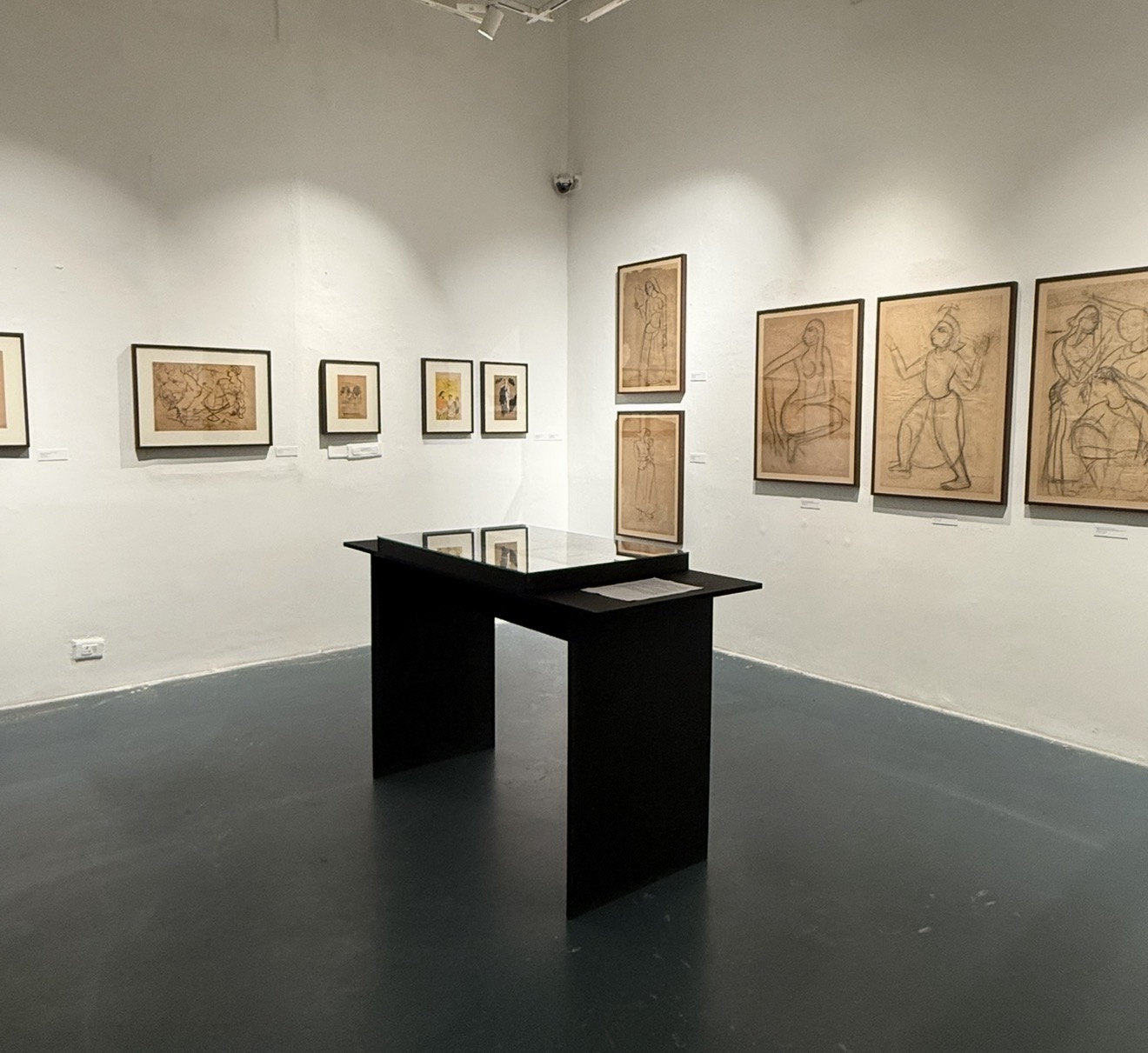
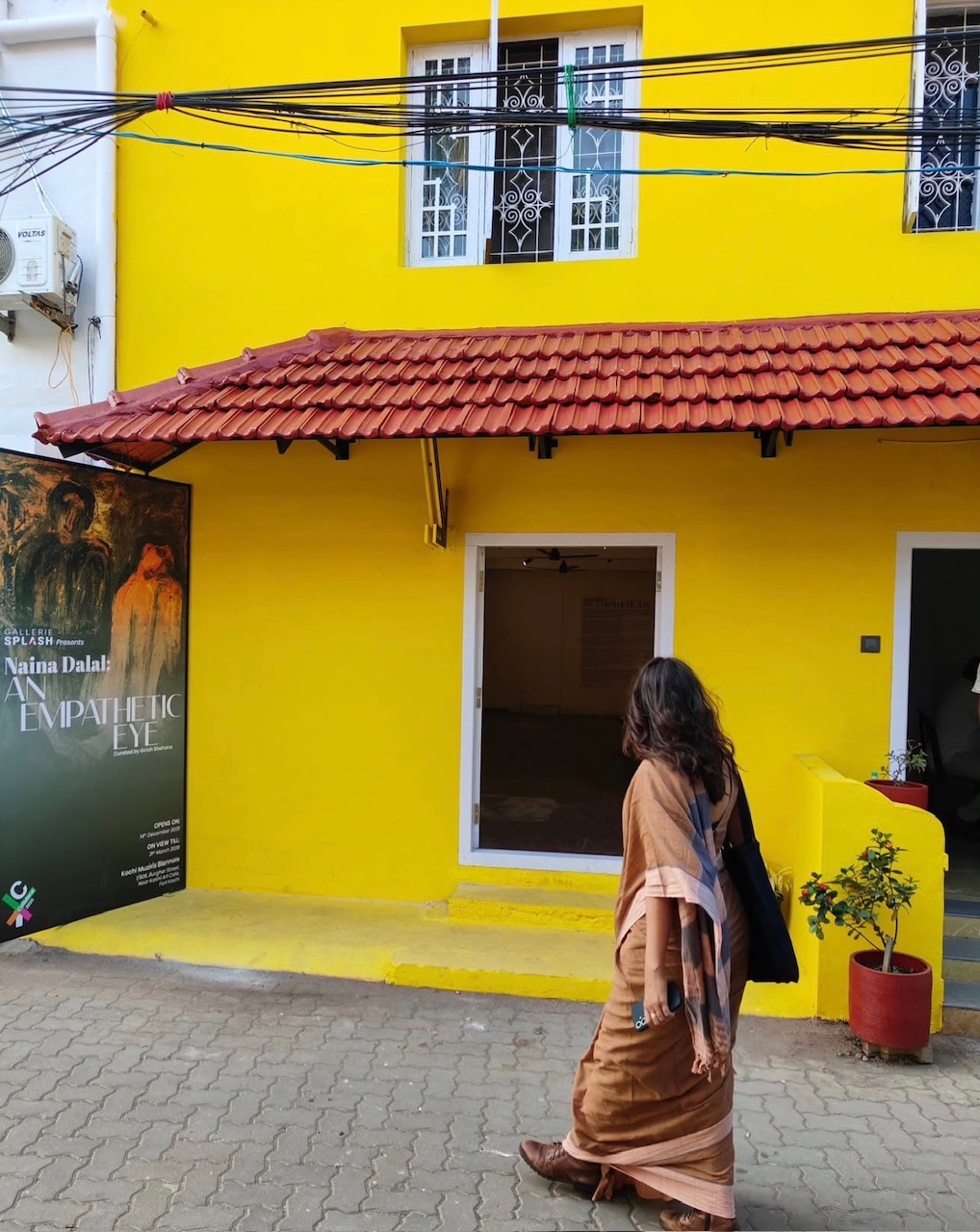
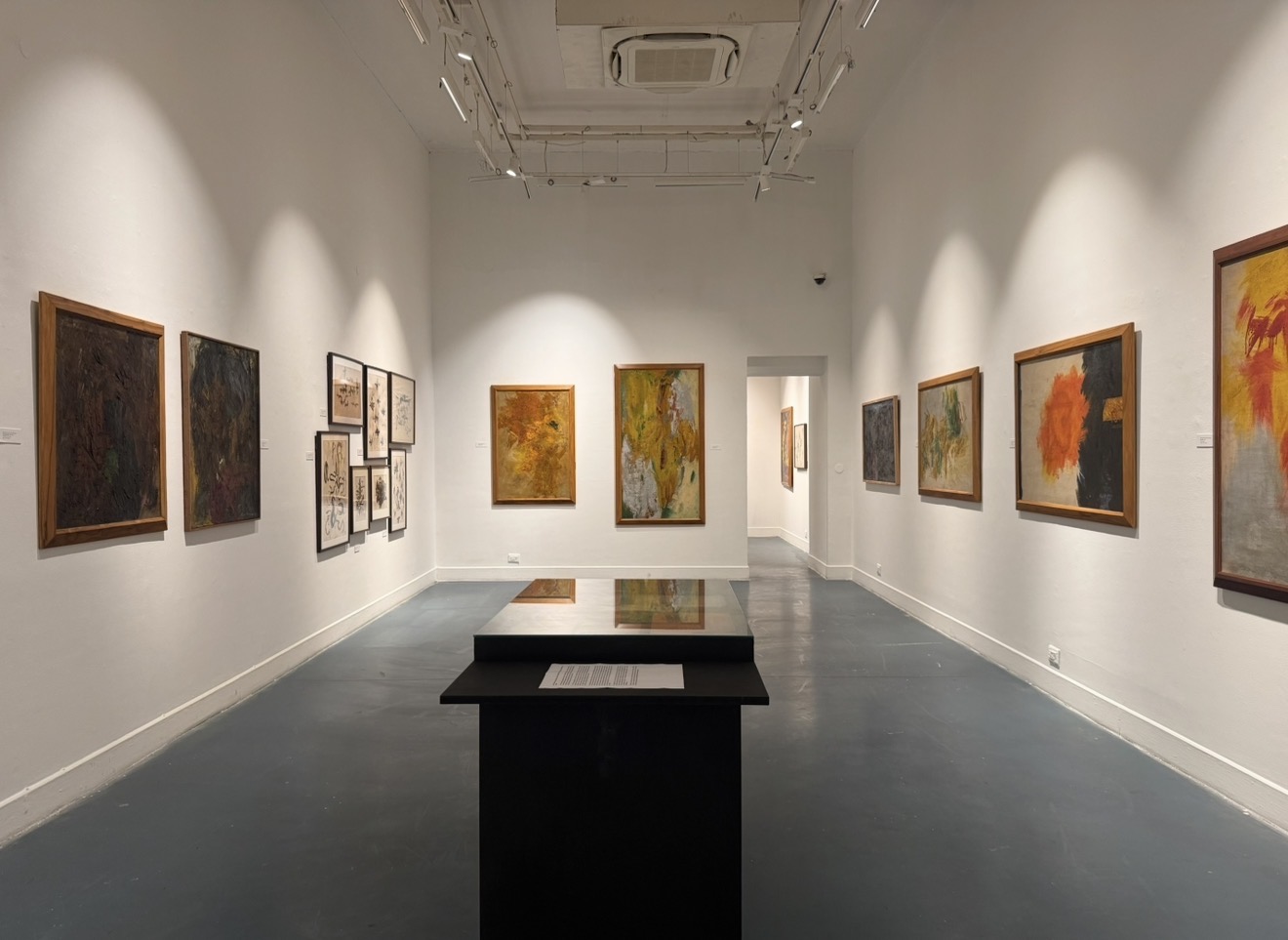
@galleriesplash, sculpture study by Ratan Parimoo
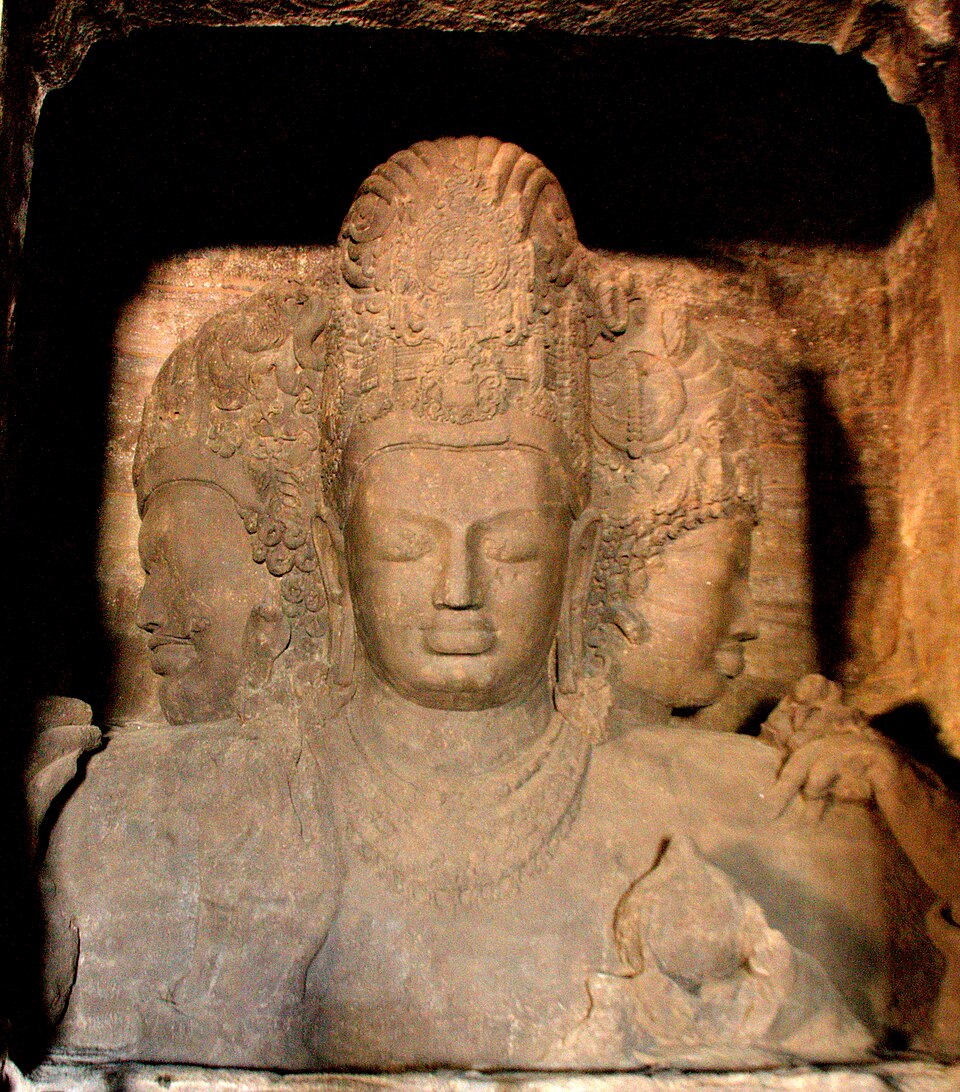
Check his catalogue, and you'll find whole series from the late 1950s: Studies from Indian Sculpture, Studies from Indian Miniature Painting. Those titles aren't decorative either. He sat with temple carvings and miniature traditions, most of it built on mythological narrative. Then he took it apart to understand how it worked as visual structure, separate from the story it was telling.
That's a different exercise than lifting a god's outline for a poster. He was studying the grammar artists had used to render myth for centuries. Then he put that grammar to work in his own paintings
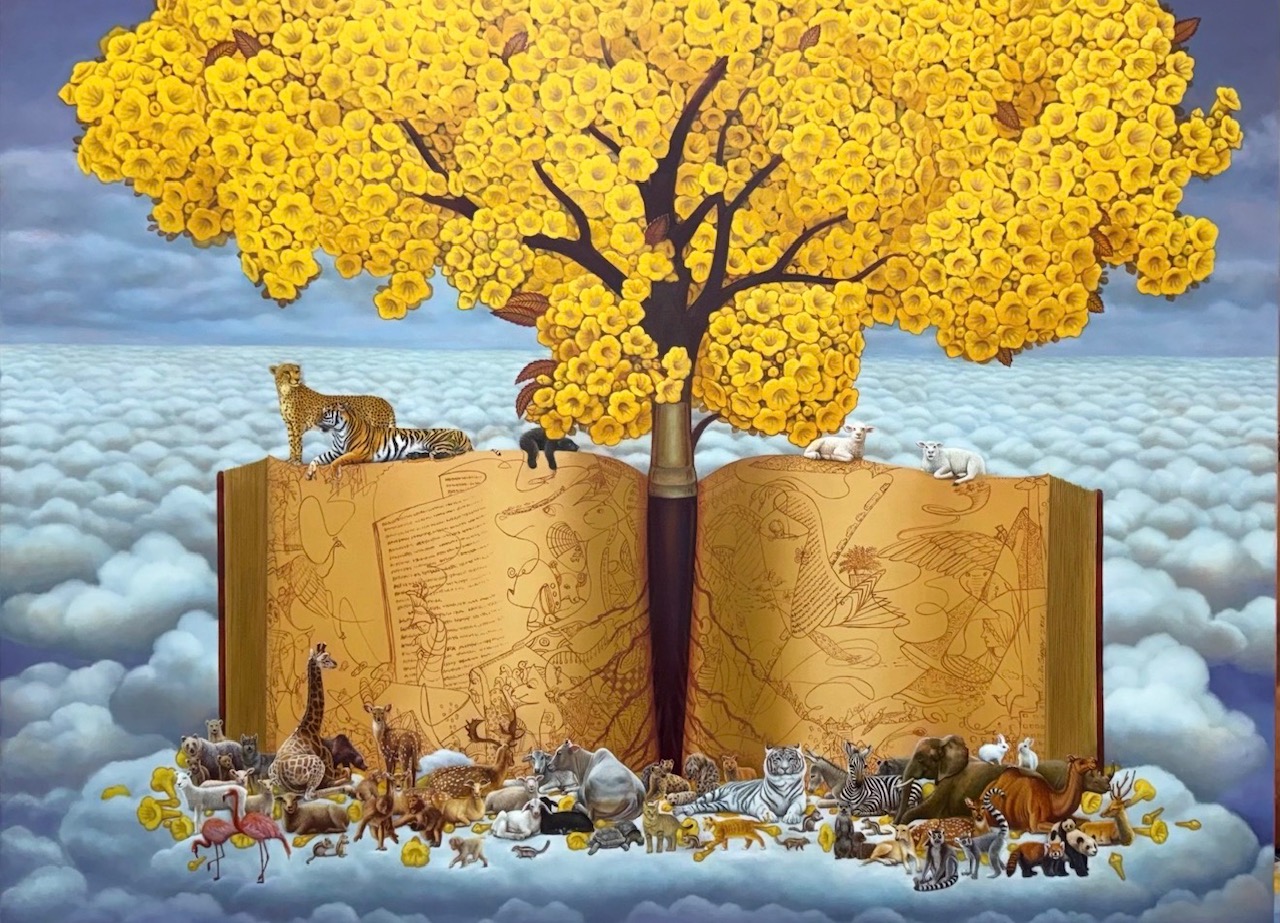
@owner of the work
This isn't just a gallery concern, by the way. Brand campaigns lean on mythological structure constantly, even when nobody says the word myth out loud.
A hero's journey arc in an ad film. A phoenix on a logo for a company that just survived a bad year. None of that happens by accident. Myth gives you a shortcut to struggle, transformation, or fate, without needing a paragraph to explain it.
One image carries what would otherwise take a page of copy. Now that's magic when used with intelligence today.
Here's where it goes wrong, though. Sticking a Greek column on a logo doesn't automatically read as strength or wisdom to someone with no context for it. The symbol only lands if you actually understand why that myth means what it means. You have to reshape it, not just copy the surface.
A lot of AI-generated art leans on mythological imagery right now, and it's not hard to see why: it's visually distinct and heavily represented in training data. You can usually tell, too. The composition looks mythic. But nothing underneath it is doing any work.
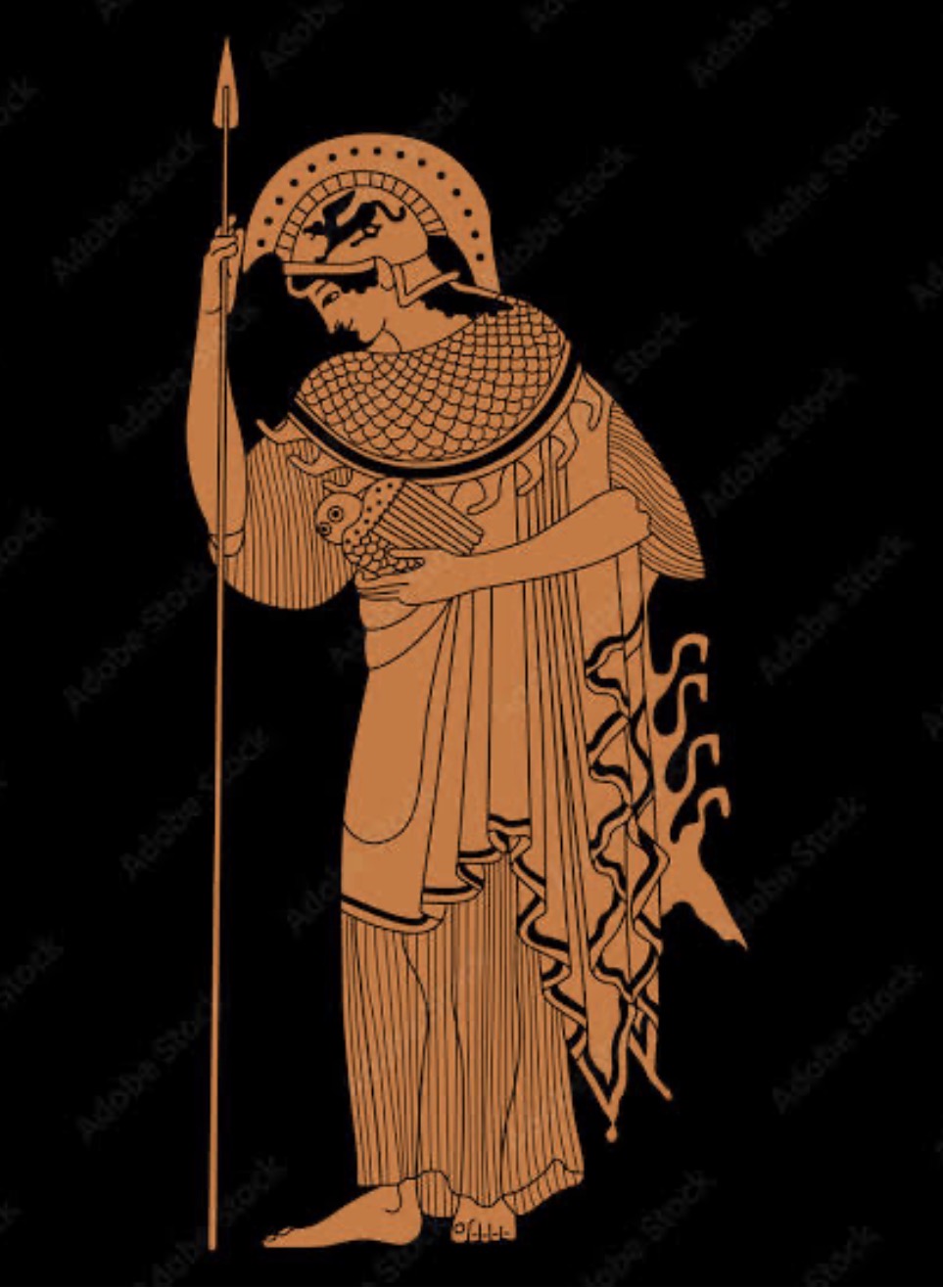
None of this is about historical accuracy, by the way. Athena doesn't need to look exactly like she did on a Greek vase for the reference to land. She needs to carry some version of what she originally stood for, adjusted for whoever's looking at the work now.




Leave a Comment