Gone are the days where landscape was used to mean something fairly simple in Indian art. A river, a Mughal garden, or a hillside was painted mostly as a background to capture nature at its best.
Well, that's all gone, thanks to hurried and uncontrolled urbanization; it's putting immense pressure on natural environments. Wetland destruction and loss of green spaces are disrupting ecosystems. This has triggered our artists to fight for the preservation of landscapes.
Artists paint a river differently to show how the river is now compared to thirty years ago. A river then used to be scenery, but now it shows up dammed and choked with industrial runoff.
Sadly, artists are not romanticizing nature anymore. They are documenting its present condition and asking viewers to save it.
Part of this comes from how fast the ground has actually shifted under Indian cities and villages alike. Wetlands turned into real estate jungles. Dense forests, which were at one time a home to the wild, are now cleared for mining.
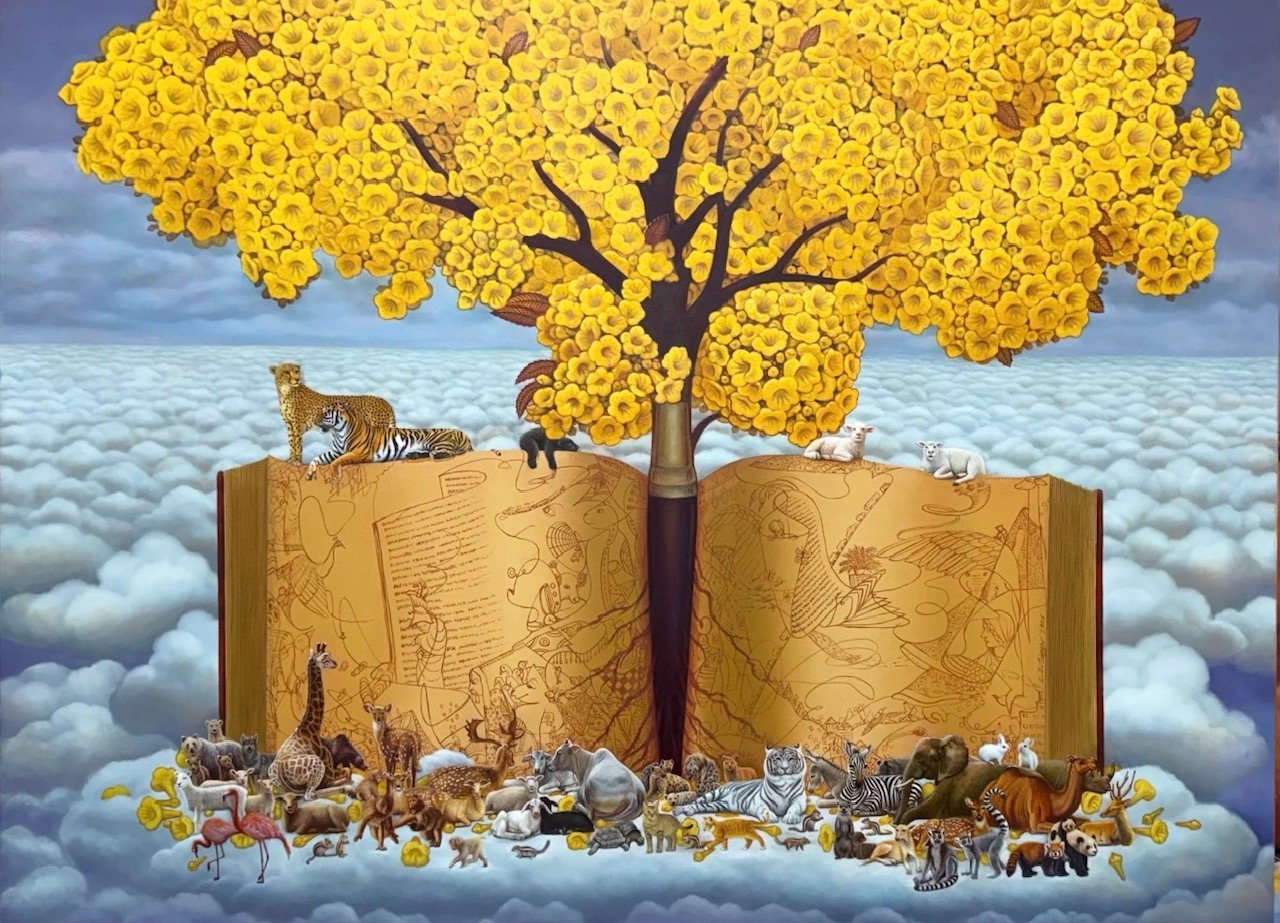
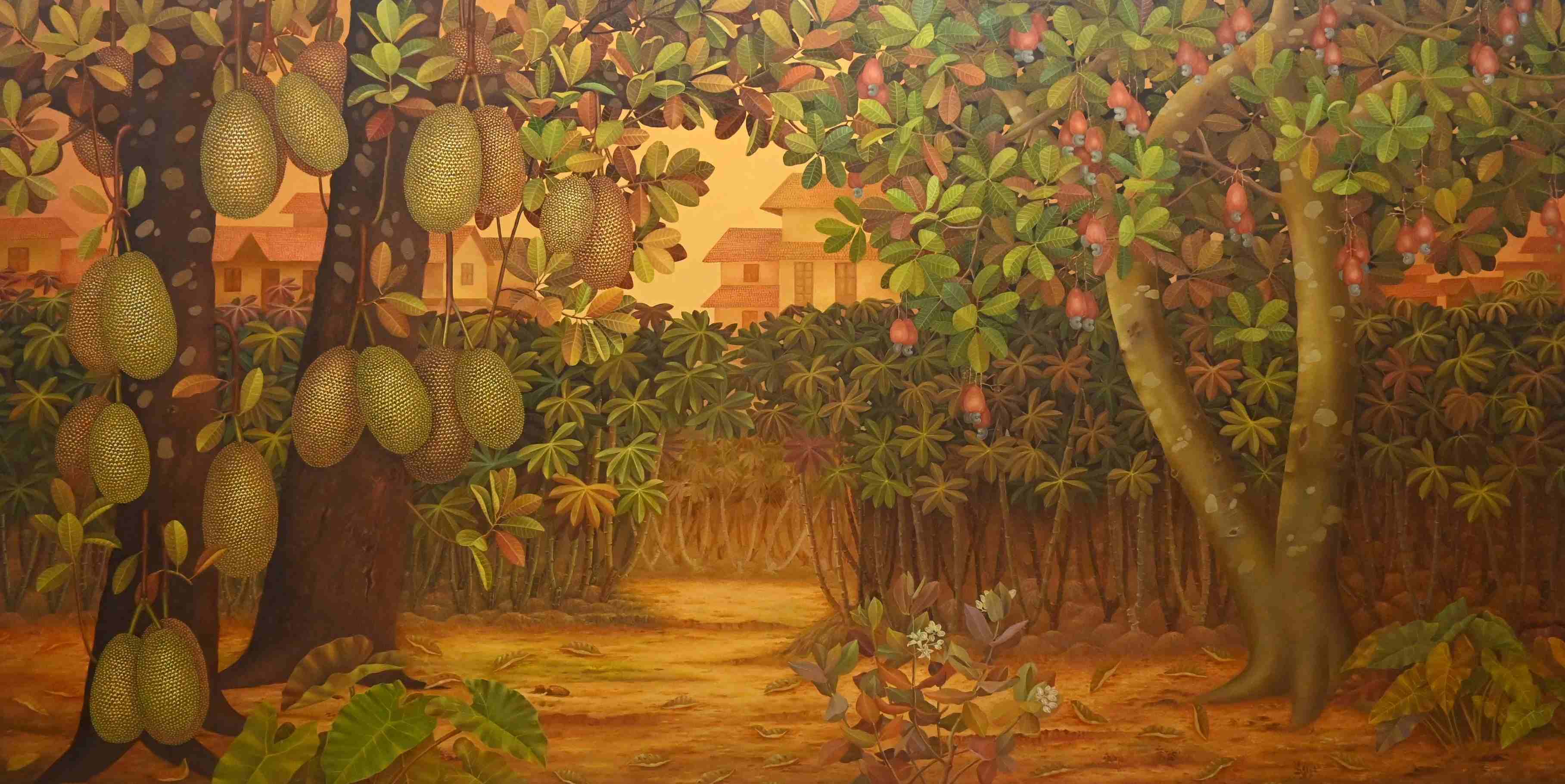
@galleriesplash, @Roykjohn
Many of our coastlines have been eaten up by erosion that wasn't happening at this pace a generation ago. Artists working in landscape today are painting from inside that anxiety, not observing it from a comfortable distance. They are constantly bothered about the possibility of losing nature and its beauty.
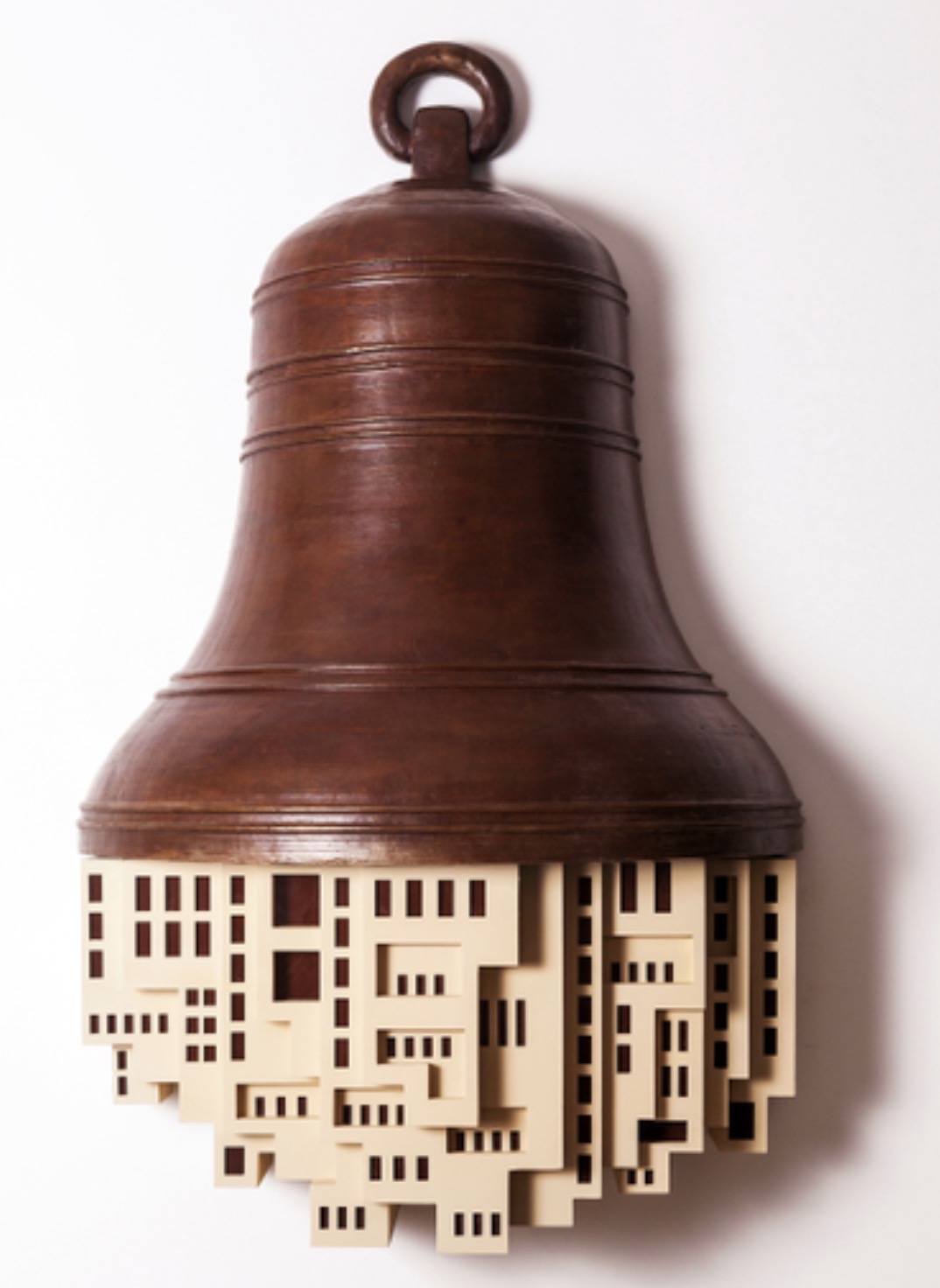
@gigiscaria and owner of the artwork
Even in such scenarios, the romance between an artist and nature has never faded away. An artist is born in the arms of nature and finds joy in dwelling within it, becoming immersed in the scenes and beauty that surround them.
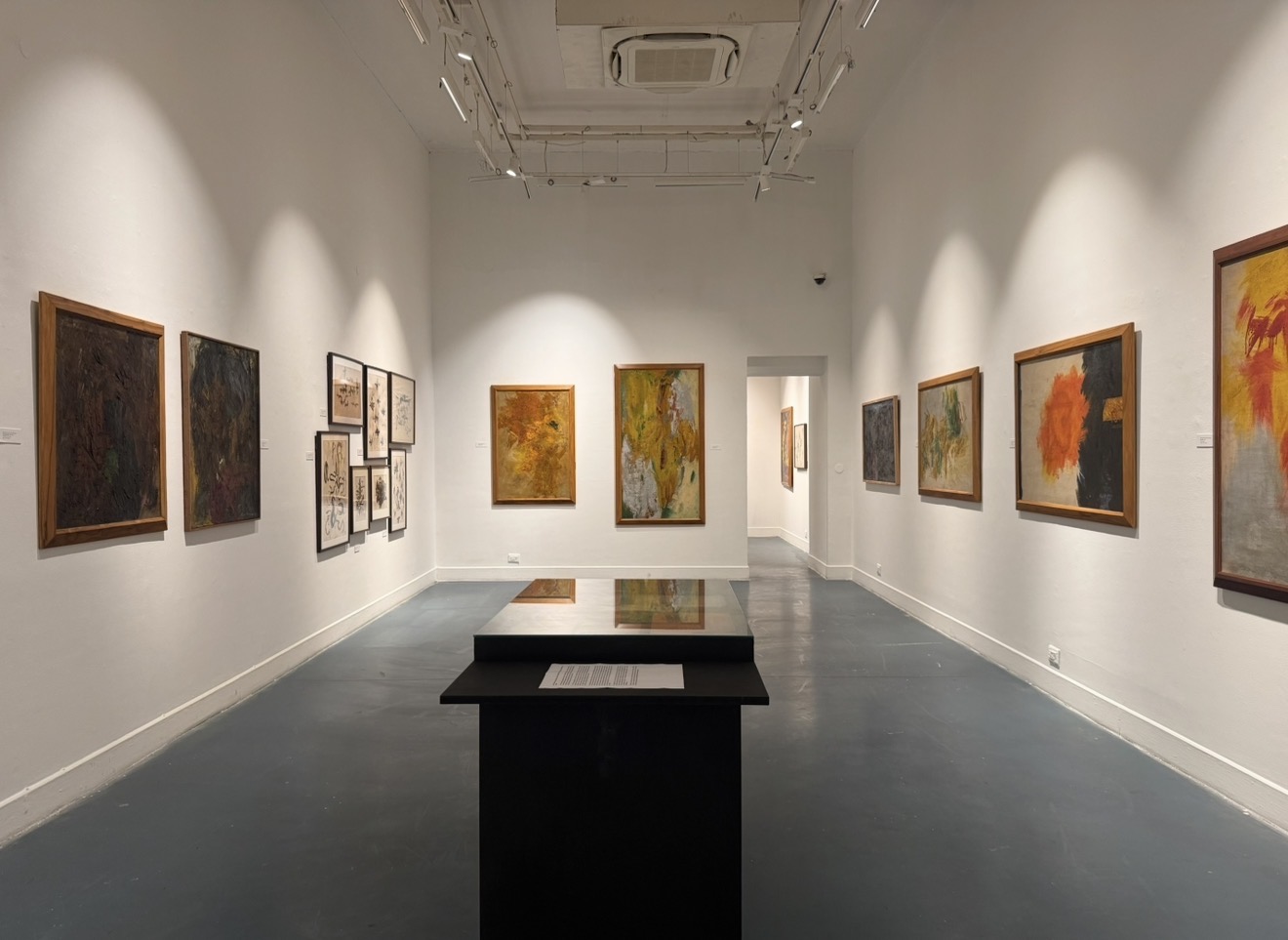
Gigi Scaria's work is a good entry point here. He paints and builds installations around cities eating their own natural resources, apartment towers rising over what used to be open land, water scarcity dressed up in almost surreal, dreamlike color.
There's a strange beauty to his pieces that makes the underlying discomfort land harder, not softer.
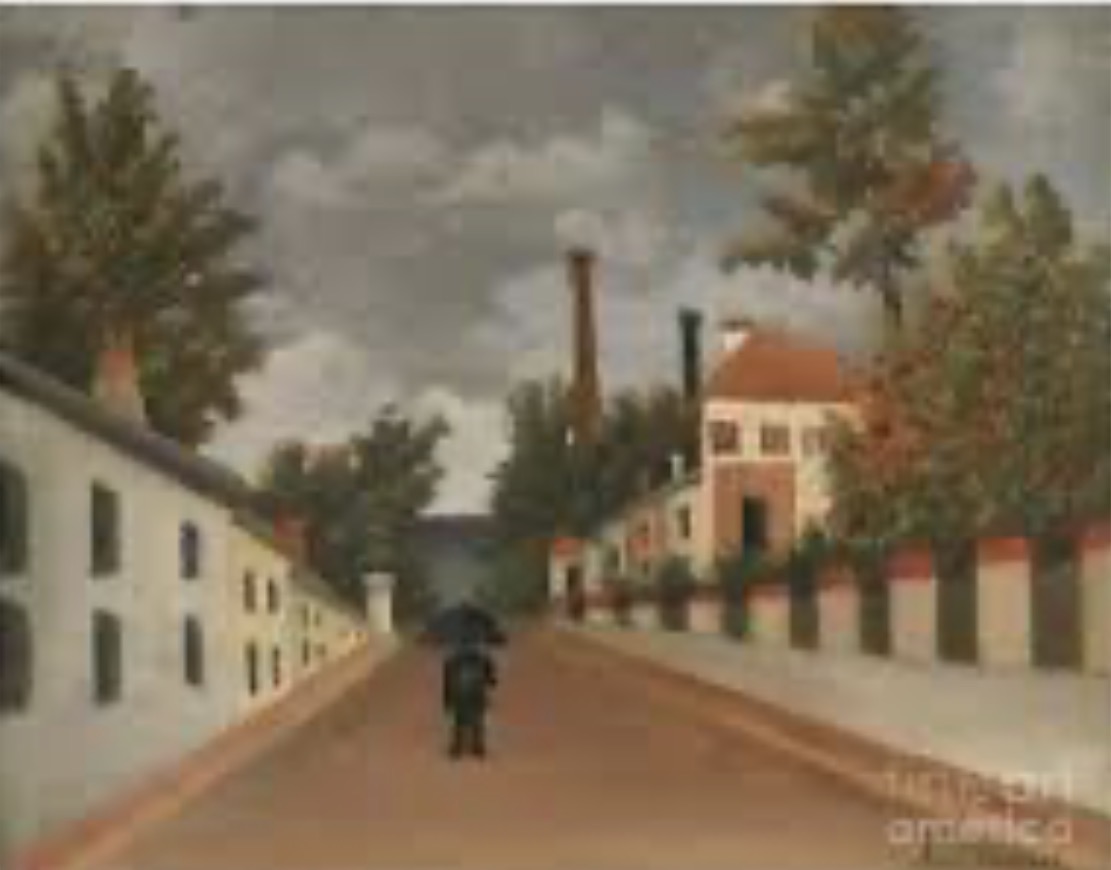
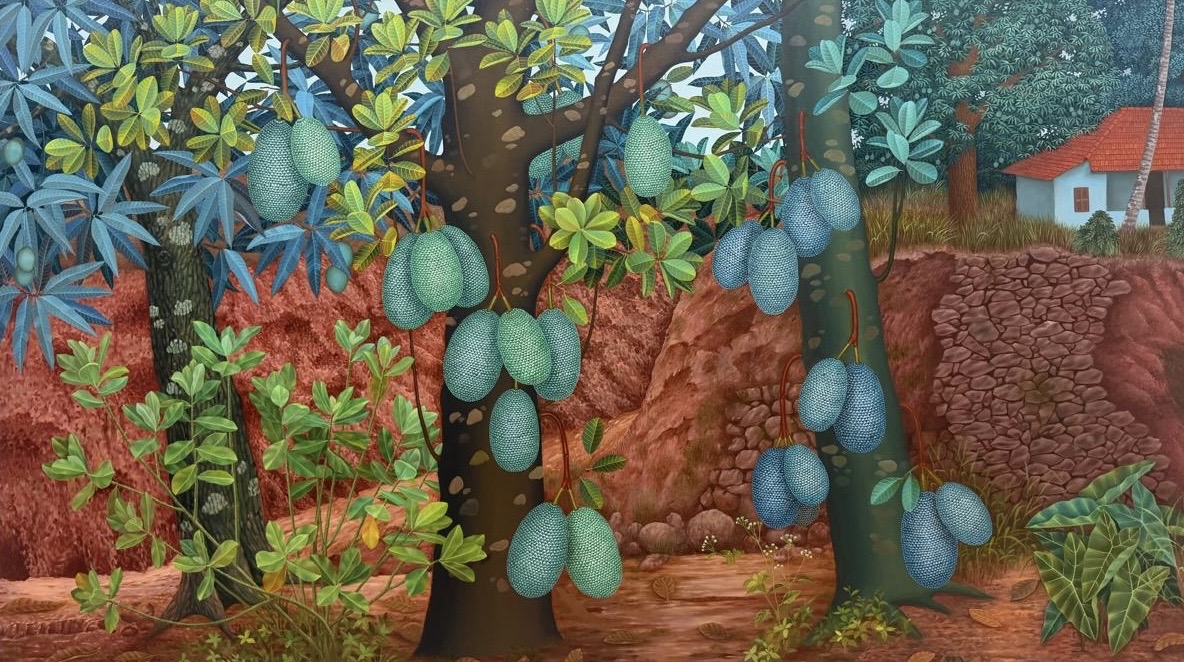
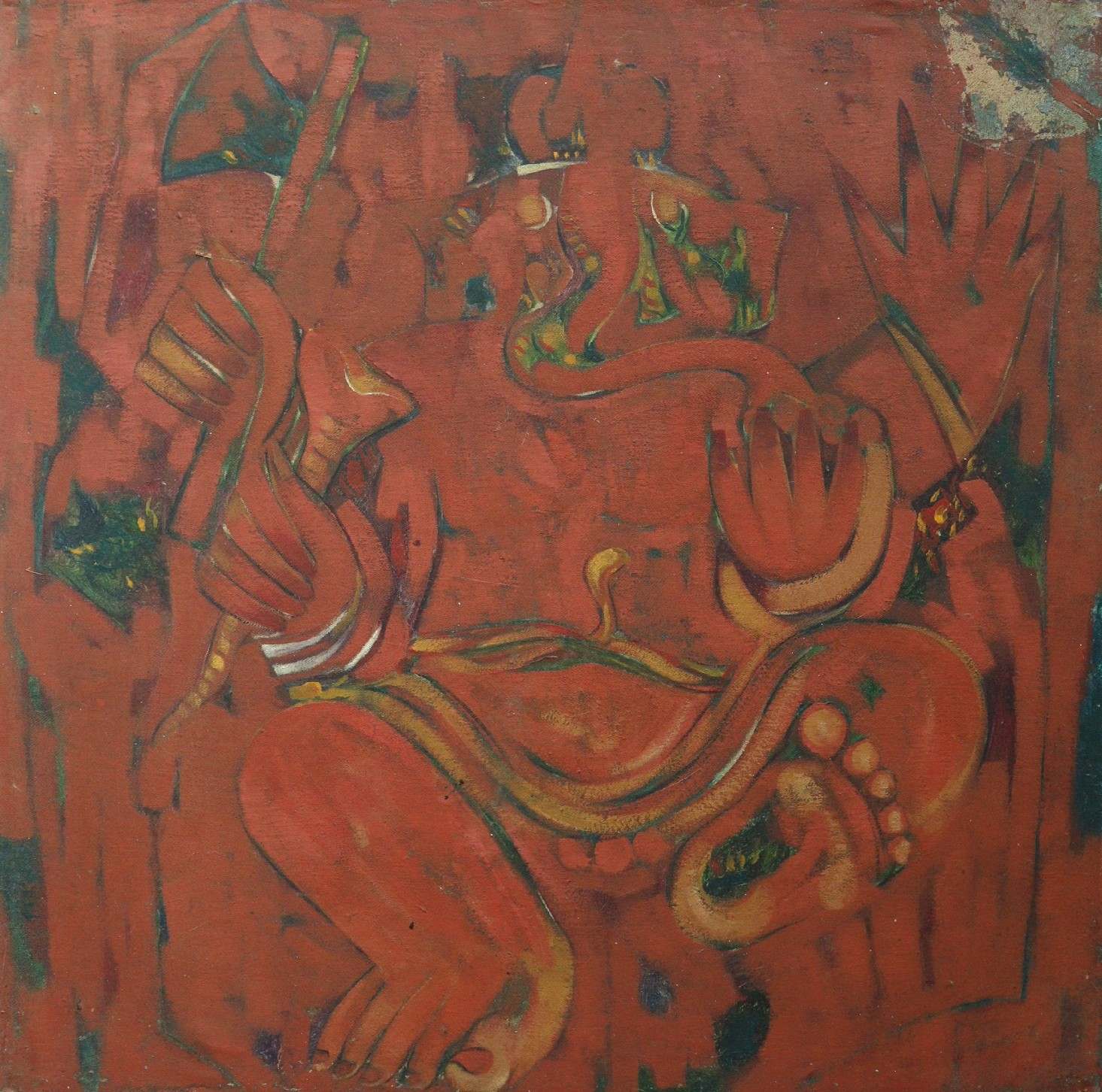
Another artist, Roy K John, works from a different angle entirely, closer in spirit to the post-impressionist avant-garde that came out of France, the same lineage that gave the world Henri Rousseau's jungles.
John paints from his own identity as someone from the tropics, laying claim to the specific flora and fauna of Indian forests, jackfruit and banana trees heavy with fruit, lotus and lilies handled almost like a visual vocabulary of their own.
His palette is as lush as the jungles he paints, and underneath that richness sits a real concern about deforestation and what's being lost. Some pieces are dense with detail, others pared down to a few potent forms, but the throughline is the same:
@henrirousseu and the owner of the painting
Nature isn't backdrop here either; it's the whole argument.
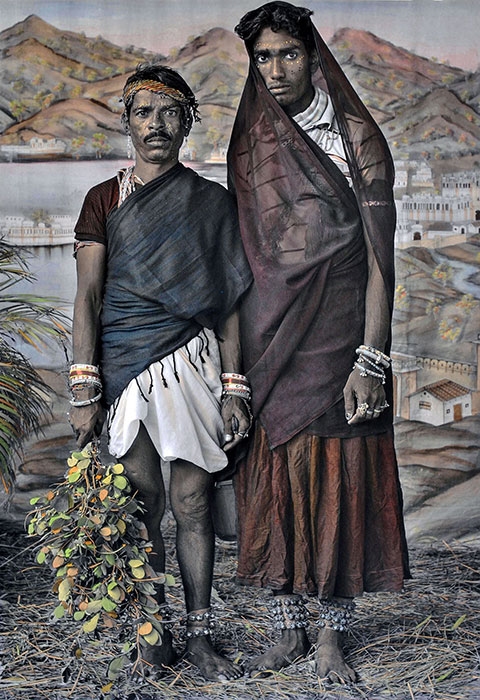
What's interesting is how many contemporary artists are also going back to older ecological knowledge systems instead of only critiquing the present. Traditional farming calendars, folk understandings of forest and water management, tribal art traditions that never separated the human from the landscape. It was always one.
@galleriesplash, @Roykjohn
Bringing that older knowledge into a contemporary frame isn't nostalgia. It's often a sharp argument that we already knew how to live with land.
We just chose not to.
Materials matter here too, maybe more than in most other genres. Artists working with landscape and ecology often reach for organic, found, or recycled material instead of standard canvas and paint. Mud, ash, discarded plastic pulled straight from a riverbank, and natural pigments were all made a part of the argument.
You can't fully separate a piece about plastic pollution from the fact that it's literally made out of plastic waste, right?
Landscape work that just aestheticizes destruction without any real stakes attached to it ends up doing the opposite of what it claims to want.
The strongest work in this space doesn't let you look away comfortably. It makes us aware of what’s actually at risk. It is no longer a backdrop, and definitely not scenery anymore.


Leave a Comment